
Can’t Find the Right Timer Product for Your Business?What Are Your Options?
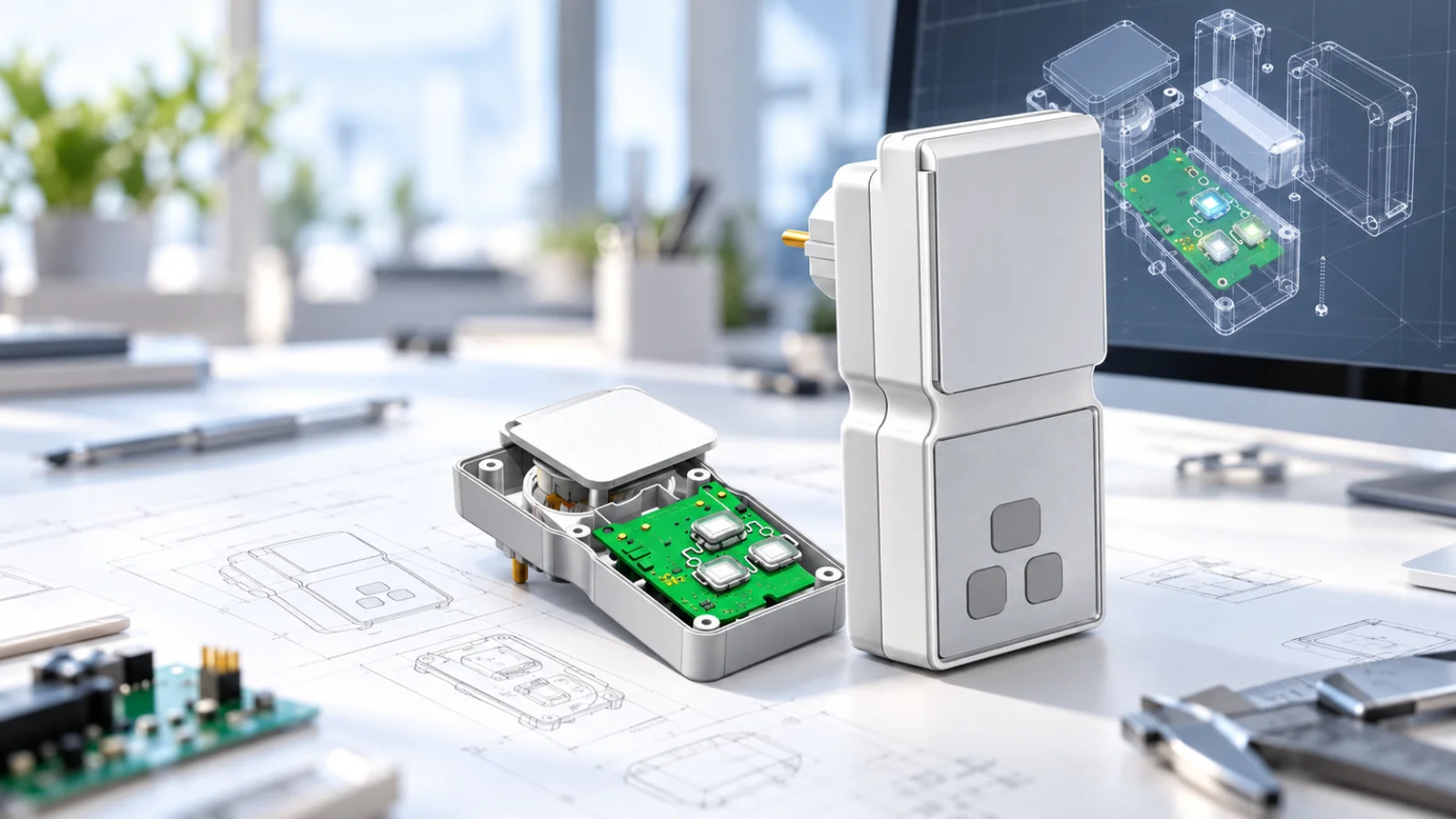
You search catalogs but nothing fits. Settling for standard timers hurts your brand. I will show you how custom OEM/ODM solutions can solve your specific business needs perfectly.
When standard timers fail, your best options are customizing existing models, developing unique OEM/ODM designs, or sourcing integrated timer modules. You can bring your rough concepts to a capable manufacturer like us to evaluate technical plans, optimize costs, and build products that match your exact business requirements.
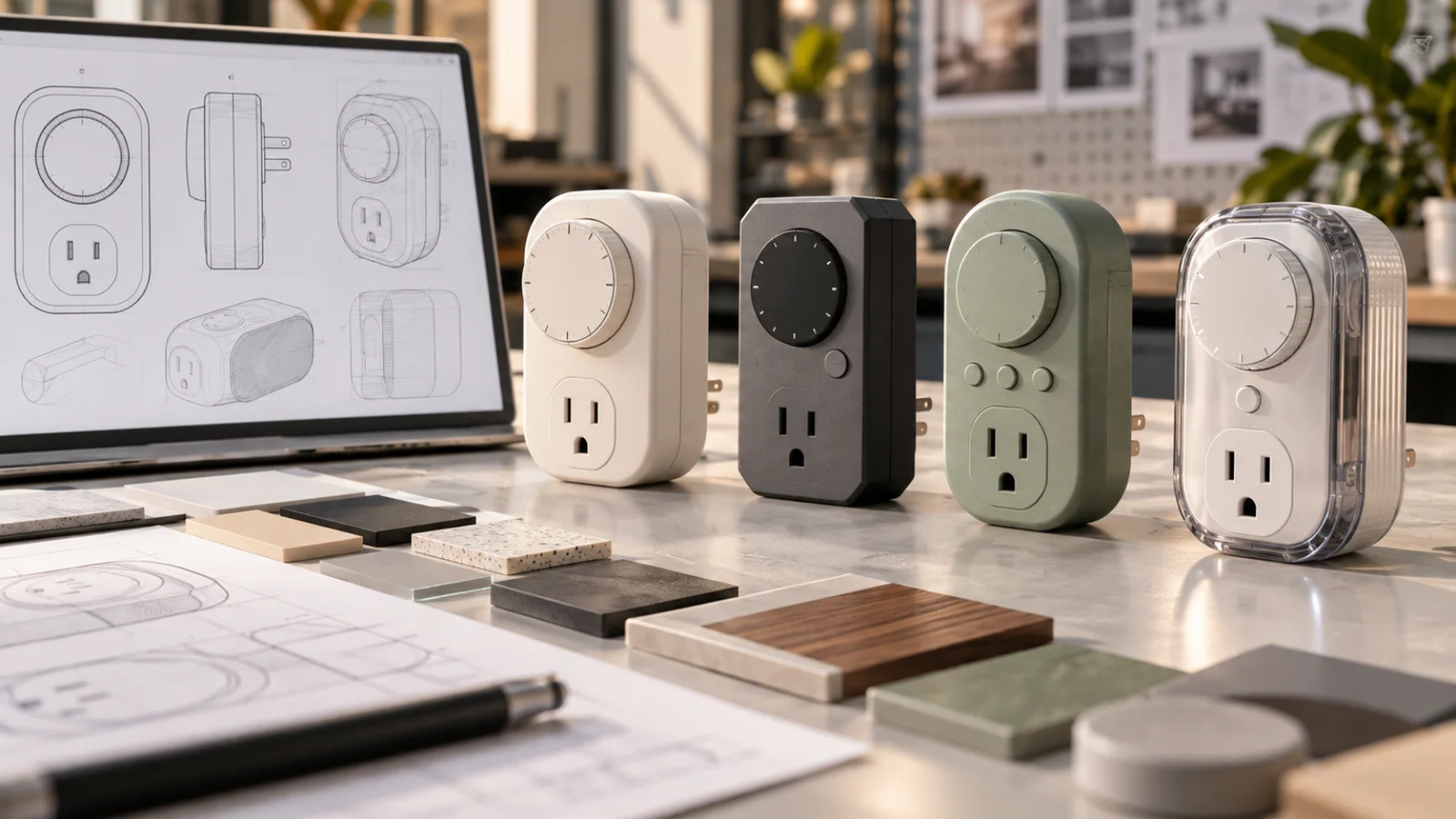
Standard catalogs often limit your growth. You might think custom manufacturing is too hard or too risky for your business. But what if the process is easier than you expect? Keep reading to discover how we turn your simple ideas into real, profitable products.
Why Do Standard Timer Products Fail to Meet Your Needs?
Your competitors sell the exact same standard timers. This price war destroys your profit margins. You need unique designs and functions to build a strong, recognizable brand identity.
Standard timer products fail because they lack brand differentiation and specific features your local market demands. Off-the-shelf models force you to compete on price alone. Customizing the design, functions, and packaging helps you build unique brand characteristics and secure long-term market competitiveness.

When I talk to clients, they often face a common problem. They buy standard timer sockets from overseas. Then, they realize five other local brands sell the exact same item. This situation makes it impossible to grow brand value. We must break down why standard products limit your business.
The Limits of Standard Catalogs
Standard products aim for average needs. They do not target specific user habits in your region. For example, your customers might need a specific smart timer switch for outdoor pool pumps. A standard indoor timer will fail in this scenario. You lose sales because the product does not match the exact application.
Standard vs. Custom Strategy
| Feature | Standard Timer Products | Custom OEM/ODM Timers |
|---|---|---|
| Brand Identity | Weak, looks like competitors | Strong, unique logo and style |
| Profit Margin | Low, driven by price wars | High, based on unique value |
| Market Fit | General, fits average needs | Exact, solves specific problems |
| Cost Control | Fixed wholesale price | Optimized supply chain costs |
By using the Chinese supply chain effectively, we can optimize these costs for you. You do not just buy a product. You build a long-term asset for your brand. Customization gives you control over quality, function, and final price.
What Does Custom Timer Development Involve?
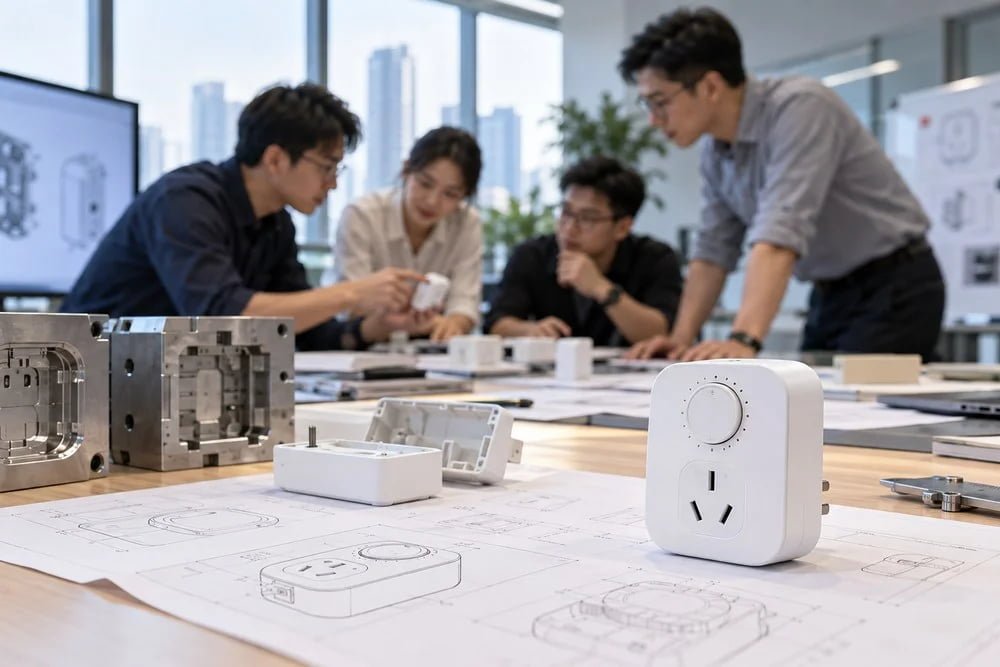
A successful custom timer is not created by changing the logo or packaging alone. Whether you need an electronic timer, a mechanical timer, or a wired timing product, the development process must balance appearance, internal structure, function, safety, manufacturability, and cost.
For electronic timers, our development work focuses on industrial design, detailed appearance refinement, PCB and circuit design, internal structural optimization, and the selection of suitable components and accessories. The goal is to create a product that looks right for your brand, performs reliably, and can be efficiently manufactured.
For mechanical timers, we focus on product styling, internal process optimization, component interaction, travel accuracy, space utilization, and internal structural design. Mechanical timer development requires careful coordination between every moving component to ensure stable operation and a consistent user experience.
Development Considerations for Different Timer Types
| Product Type | Main Development Focus |
|---|---|
| Electronic Timers | Appearance design, detail refinement, PCB design, circuit layout, internal structure, and accessory matching |
| Mechanical Timers | Appearance design, internal process optimization, component linkage, travel control, space optimization, and structural improvement |
| Wired Timer Products | Terminal matching, torque testing, soldering process, mounting-hole design, and installation-method optimization |
For products involving electrical wiring, we also pay close attention to terminal compatibility, torque performance, soldering quality, mounting positions, and installation methods. These details directly affect product safety, assembly efficiency, and long-term reliability.
From Repeated Prototyping to Reliable Mass Production
Custom development is an iterative process. In the early stage, we repeatedly produce and review prototypes to refine the appearance, dimensions, structure, and user experience. Once the design is confirmed, we conduct repeated functional testing to verify performance under real operating conditions.
Our testing process can include function testing, temperature-rise testing, load testing, aging testing, and other reliability checks based on the product requirements. By identifying and solving issues before mass production, we help ensure that the final timer product is stable, safe, practical, and ready for your market.
You do not need to solve every technical detail before contacting us. Bring us your market requirements, product ideas, reference samples, or target application. Our team can help turn them into a practical custom timer solution.
What Do You Need to Start a Custom OEM/ODM Project?
You have a great product idea but lack technical drawings. This fear stops you from starting. You only need a basic concept to begin the custom development process with us.
To start a custom OEM/ODM project, you do not need perfect technical files. You can bring your ideas, rough sketches, reference photos, or a basic functional concept. Our technical team will work with you to evaluate the feasibility, confirm the functional details, and create the professional design files.
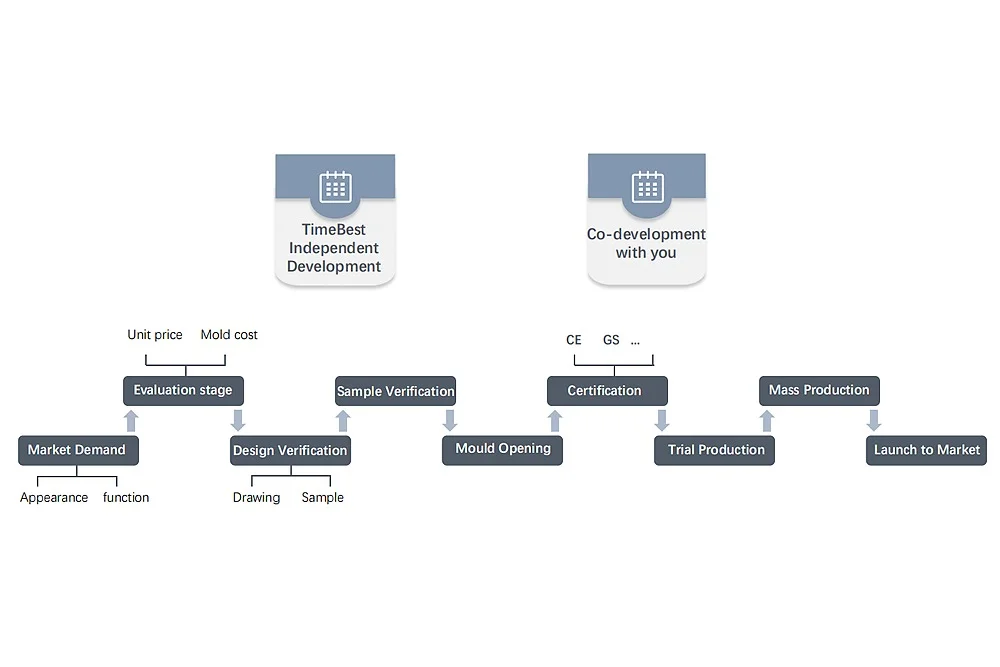
Many brand owners hesitate to ask for custom products. They think they must provide complete 3D models and PCB schematics. This is a misunderstanding. As an integrated manufacturing and supply chain solution provider, we fill in the technical gaps for you. You just need to know what your market wants.
Turning Concepts into Reality
I remember a client from Europe who wanted a new smart switch. They only had a drawing on a piece of paper. They knew the target price and the target user. We took that paper. We broke down the technical requirements. We selected the right materials and internal relays. We turned a simple sketch into a fully certified product.
What You Bring vs. What We Do
| Phase | Your Input | Our Action |
|---|---|---|
| Phase 1: Idea | Market need, rough sketch, target price | Feasibility study, cost estimation |
| Phase 2: Design | Brand logo, color preferences | 3D renderings, internal structure design |
| Phase 3: Prototype | Feedback on the visual design | Functional mockups, safety testing |
| Phase 4: Production | Order quantity, delivery schedule | Mold creation, mass production, QC |
You do not need to be an engineer. You just need a vision for your business. We handle the complex engineering and manufacturing tasks. Do not let a lack of technical files limit your product catalog.
How Long Does the Custom Timer Development Process Take?
Waiting too long for new products ruins your market timing. Slow factories cause you to miss sales seasons. We follow a strict timeline to get your custom products launched quickly.
The custom timer development process usually takes about 60 to 90 days. Preliminary sketches take 1 to 2 weeks. Prototype sampling takes about 15 days. Tooling and mold development require 45 to 60 days. The exact timeline depends on project complexity and how quickly we confirm details together.
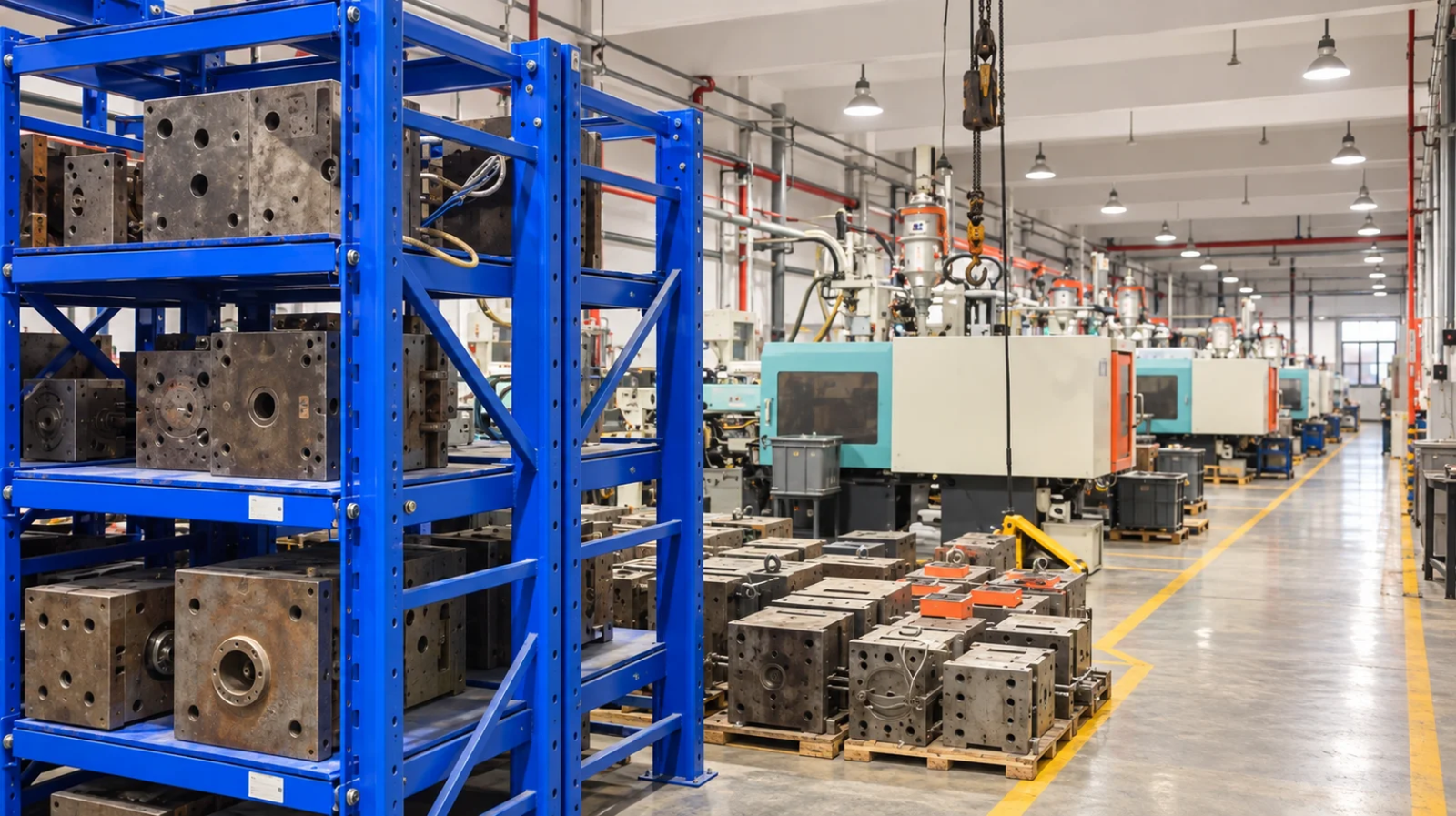
Time is money in the electrical wholesale business. If you miss the peak buying season, you hold inventory for another year. Therefore, understanding the development timeline is critical. We use a rapid prototyping mechanism to keep the project moving forward. We must break down the schedule so you can plan your marketing.
The Step-by-Step Timeline
The speed of a project relies heavily on communication. If we agree on the functional details quickly, we can start the mold faster. After the sample is approved, we arrange trial production and carefully verify each stage of the process. Only after every stage of trial production meets the required standards do we proceed with mass production for your order. Our dual gene as a sourcing agent and factory means we do not wait for outside suppliers to act.
Project Timeline Breakdown
| Development Stage | Estimated Time | Key Action Items |
|---|---|---|
| Concept & Sketches | 1 - 2 weeks | Confirm appearance and functions |
| Prototype Sampling | 15 days | 3D printing, circuit testing |
| Mold & Tooling | 45 - 60 days | Steel mold cutting, adjustments |
| Final Sample Review | 1 week | Client approval for mass production |
If your project is a simple modification of our existing timer switch, the time is much shorter. Sometimes, we can finish the customized service in around 30 days. We always give you a clear schedule before we start. This helps you plan your sales channels in advance.
Why Choose a Dual-Gene Partner for Your Timer Business?
Managing multiple suppliers causes confusion and delays. Poor communication leads to bad product quality. A partner that acts as both a factory and a sourcing agent solves these supply chain headaches.
Choosing a dual-gene partner combines factory production control with sourcing agent flexibility. We manufacture core timer products while sourcing complementary accessories for you. This one-stop supply chain solution reduces your management costs, ensures consistent quality, and helps you optimize overall procurement costs for long-term market competitiveness.
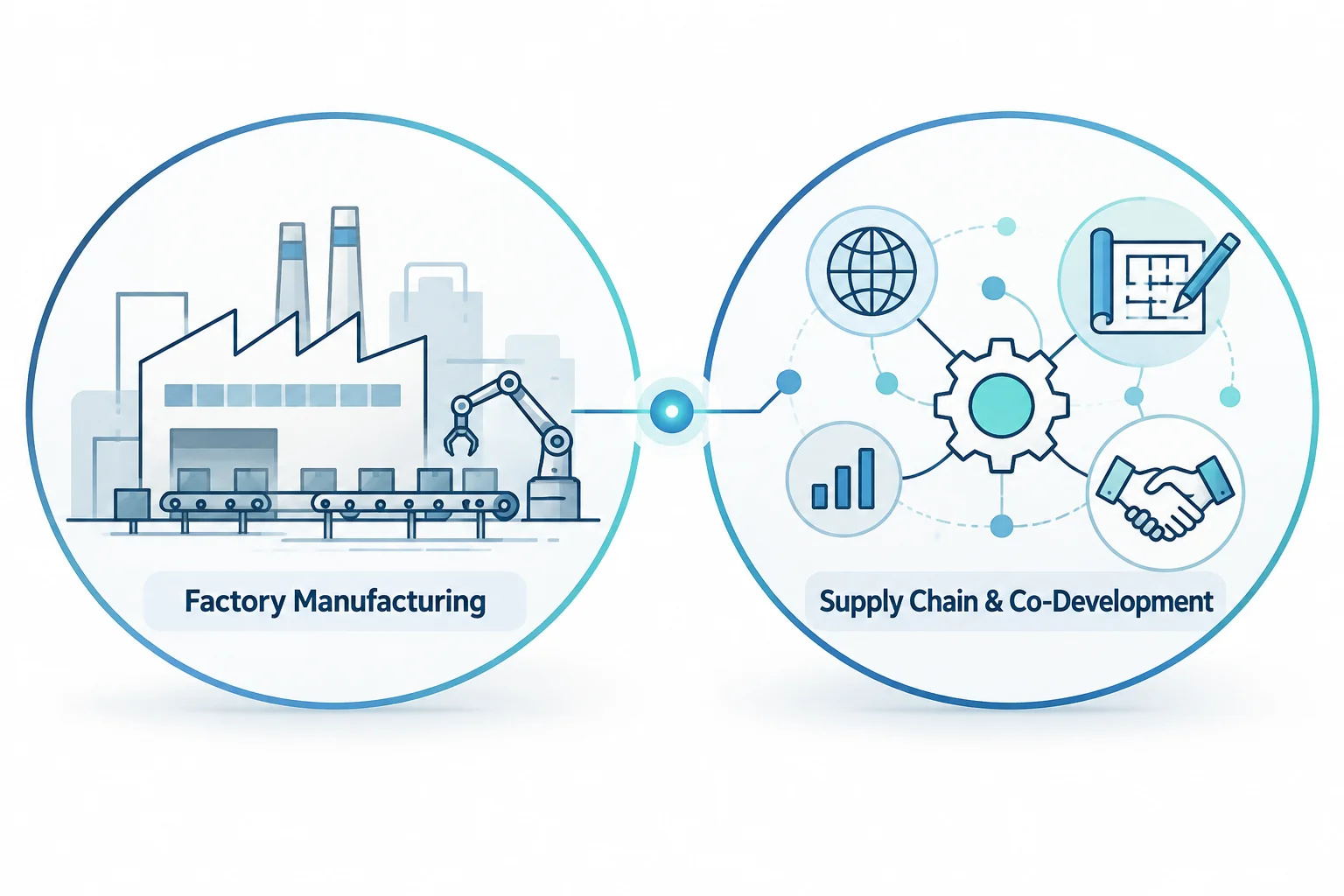
You might wonder why our company structure matters to your product options. Many buyers struggle because they either work with a rigid factory or a sourcing agent with no real production control. We have both genes. This dual identity gives us a unique competitive edge in the market. It directly impacts how we serve your business.
Factory Control Meets Sourcing Flexibility
As a factory, we handle product development, quality assurance, and production management for timer sockets and switches. We have our own R&D department and laboratory testing equipment. We control the core quality. As a sourcing agent, we provide market insight and manage other suppliers if you need a complete channel-ready product package.
The Dual-Gene Advantage
| Capability | Factory Role | Sourcing Agent Role |
|---|---|---|
| Quality Control | Direct testing (CE, ROHS, GS) | Supplier auditing and management |
| Product Range | Core timers and smart sockets | Full category electrical sourcing |
| Cost Optimization | Direct manufacturing pricing | Combined shipping and logistics |
| Customization | ODM R&D and mold making | Flexible OEM packaging options |
If you are looking for a product that truly fits your business, do not limit yourself. We can start with a simple communication and evaluation. Tell us your ideas, and we will explore the best solutions together.
Conclusion
Stop settling for standard products that limit your brand. Custom timer sockets and integrated modules offer the perfect fit. Share your ideas with us, and let us build your ideal solution.
<!--[googlesitekit-end-of-content]-->