
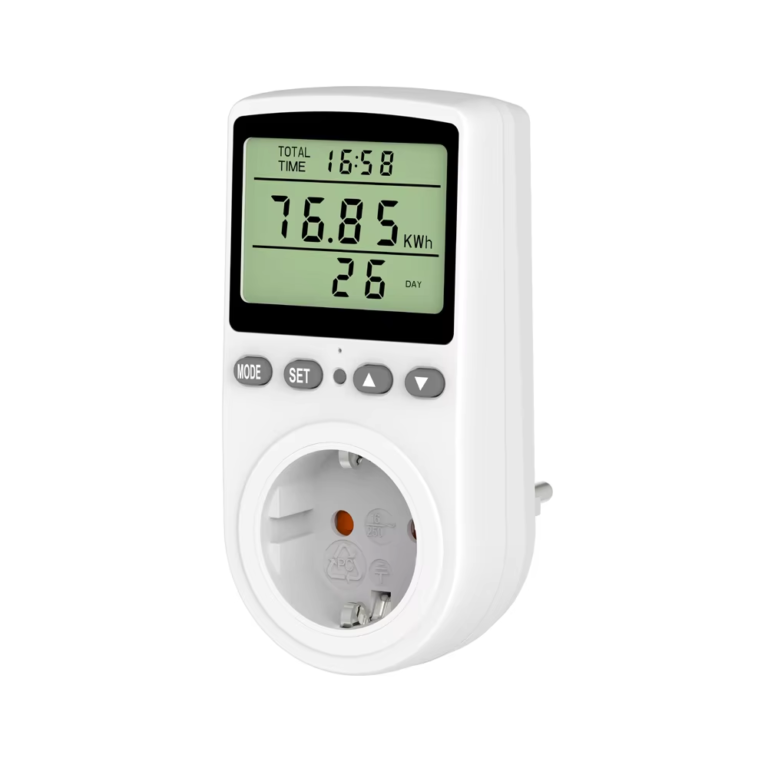
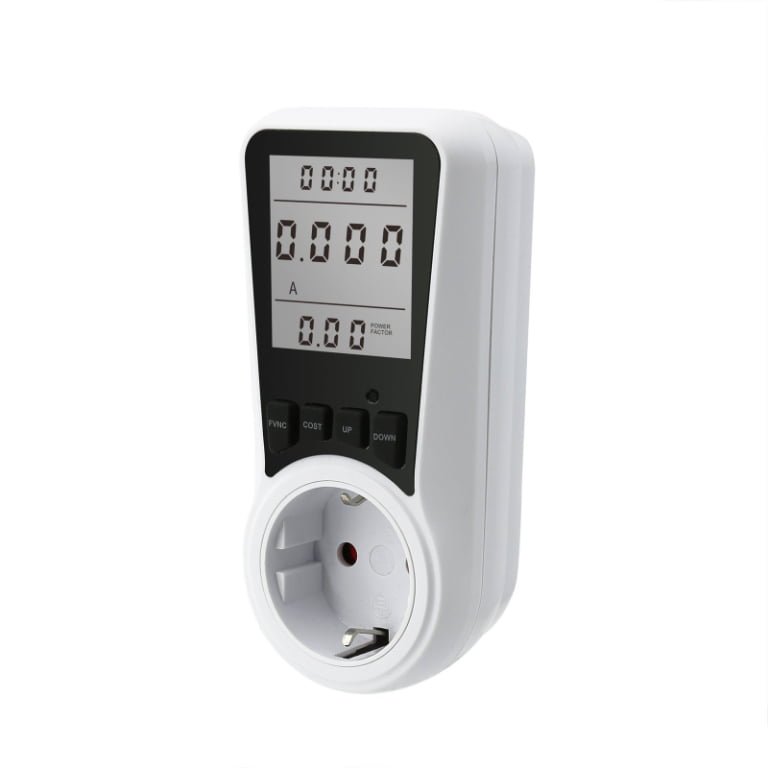
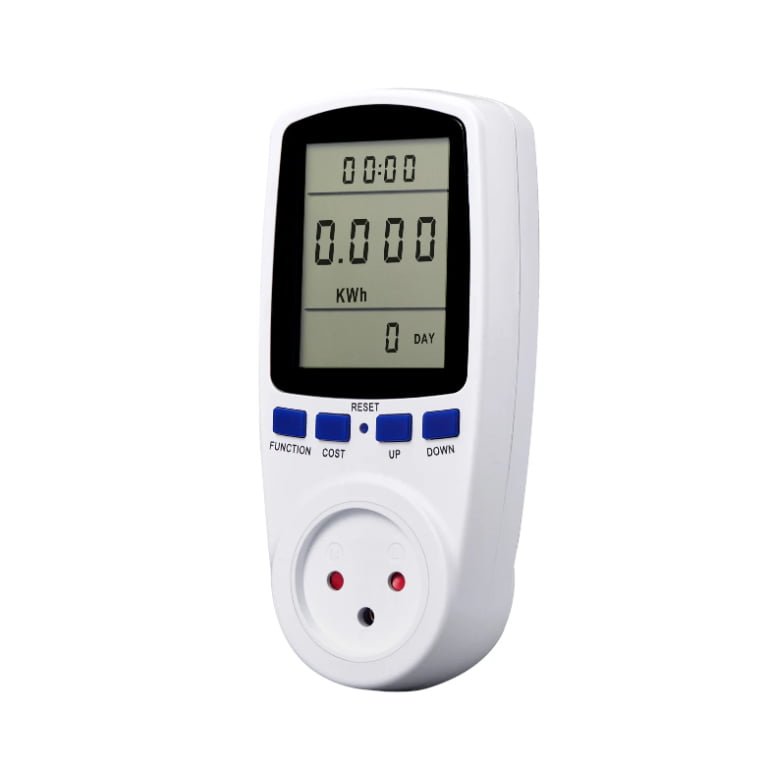
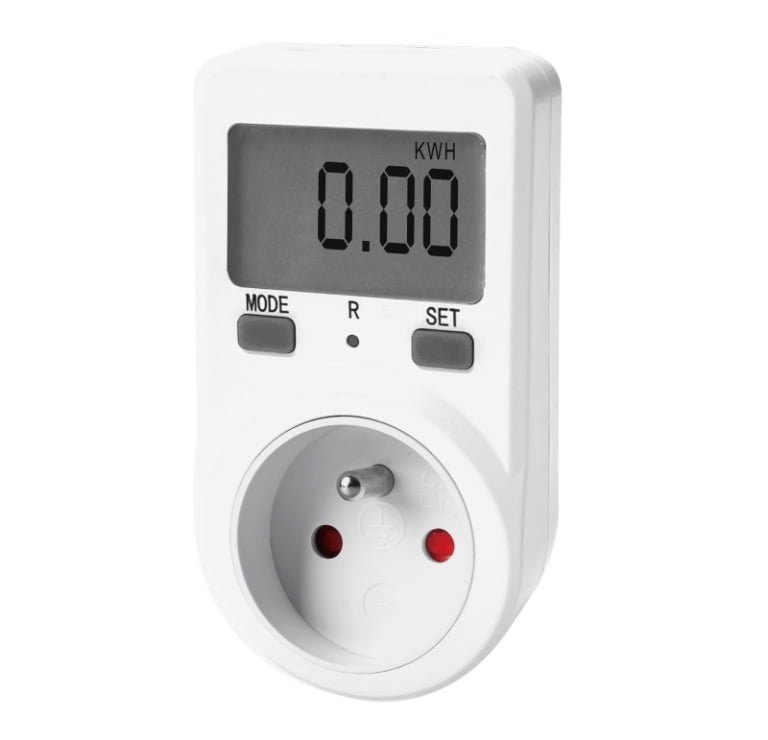
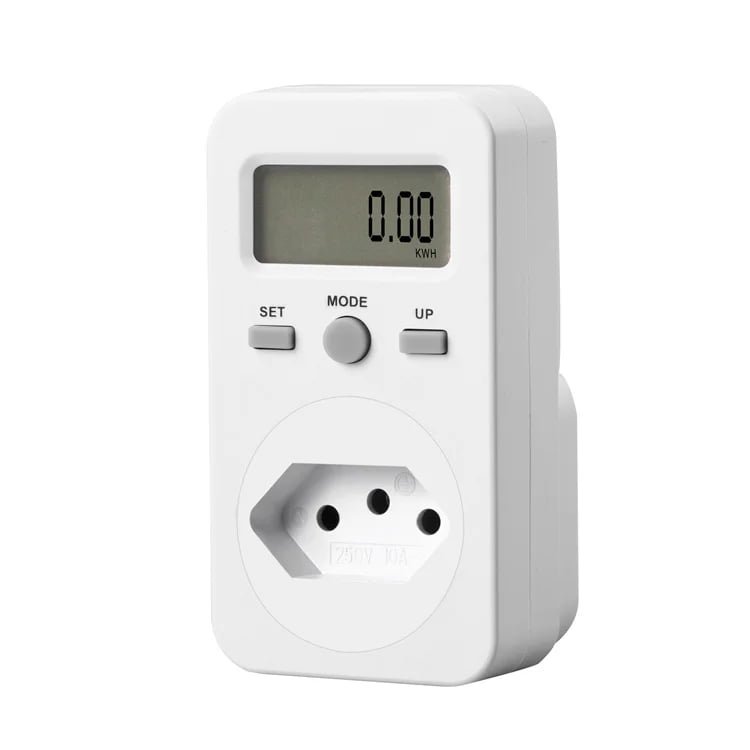
All‑in‑One Energy & CO₂ Meter – Large VA Display with Backlight, 16A for Home Appliances
- Item No. SPM17A
12 Months
View Details
Products
8
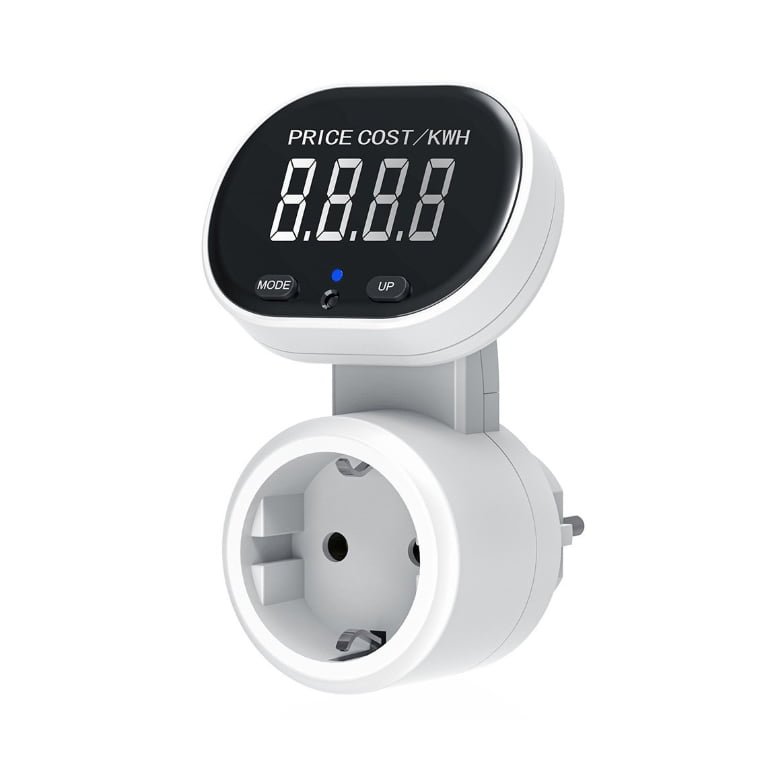
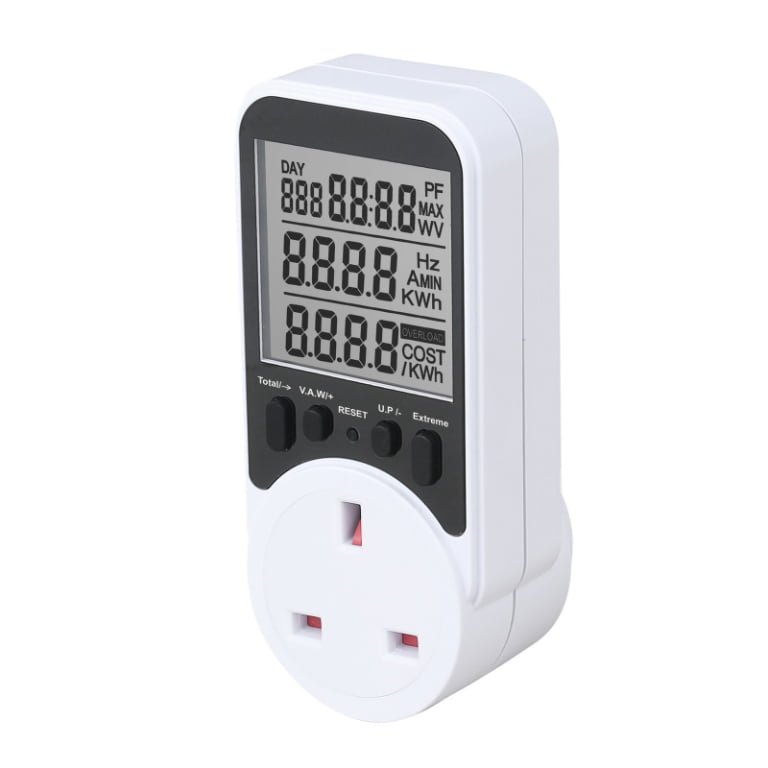
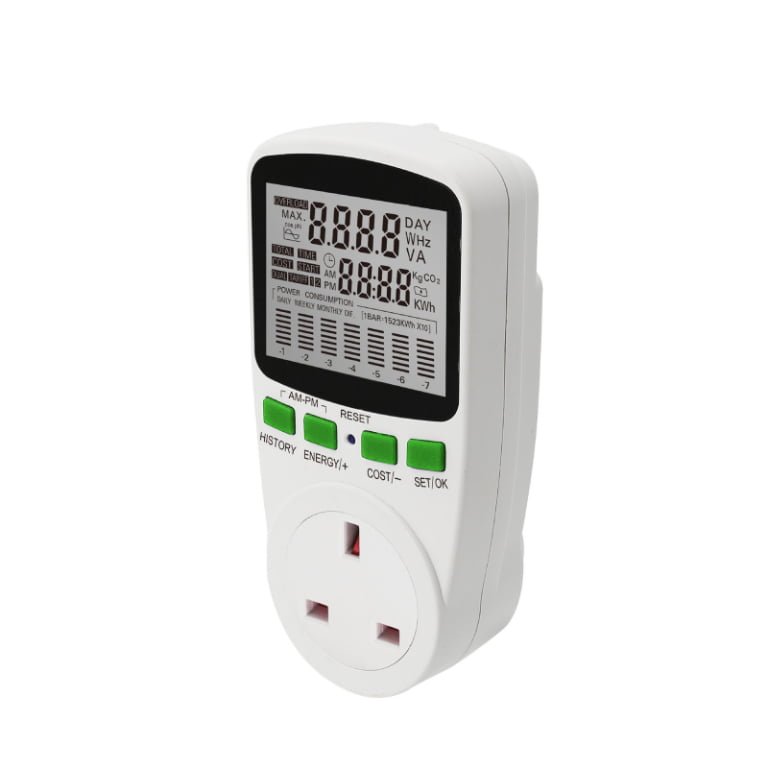
Real-World Uses
Explore practical ways to use Power Meter in everyday and professional settings.
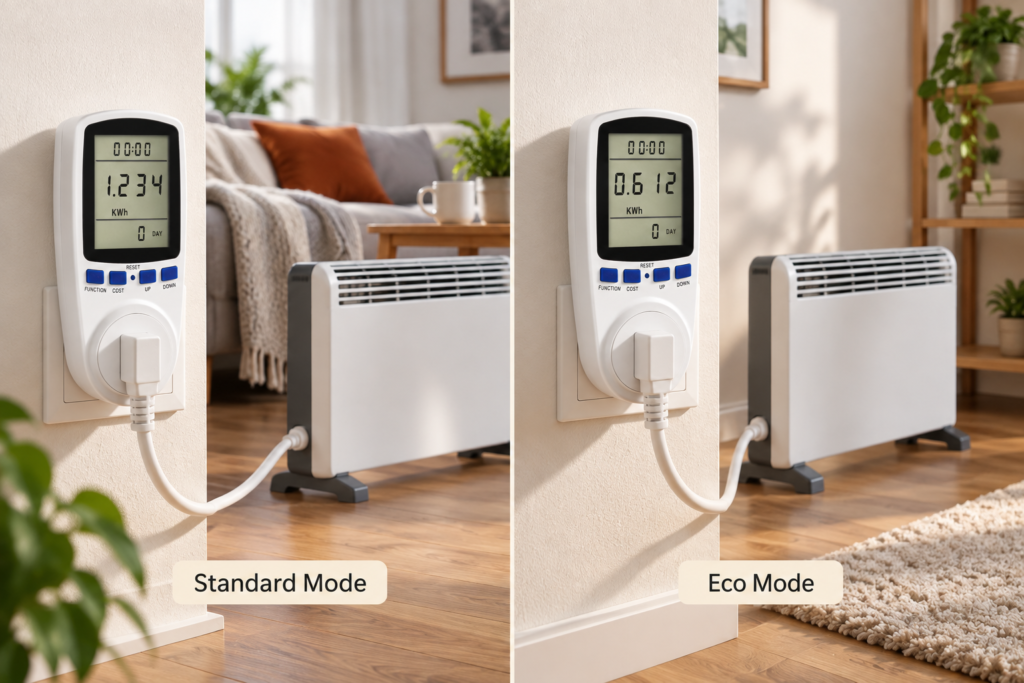
Scenario 01
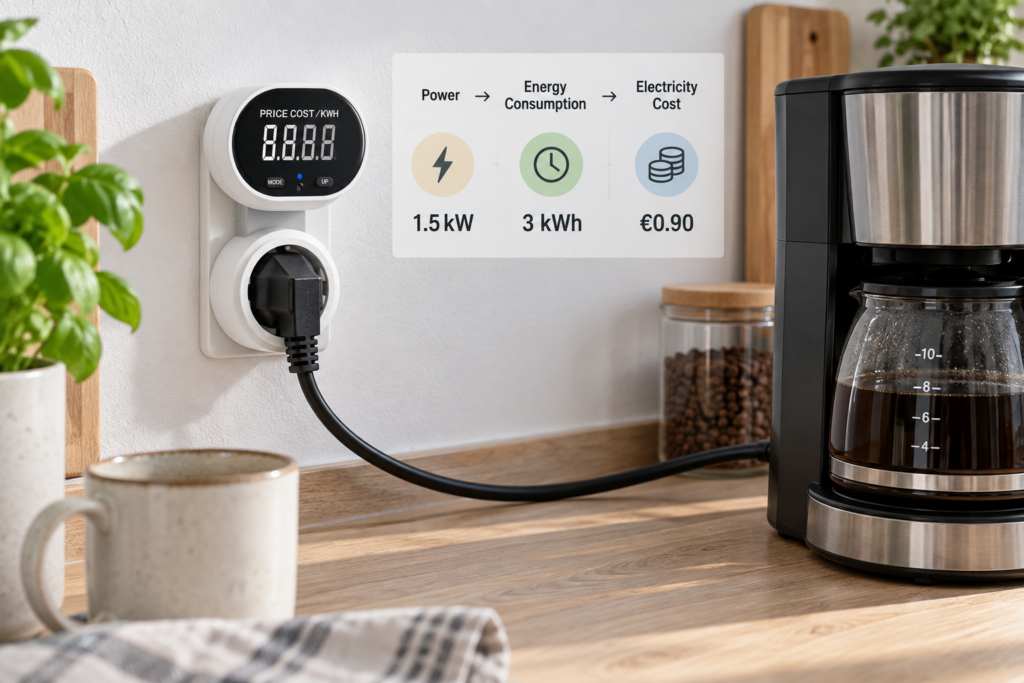
Scenario 02
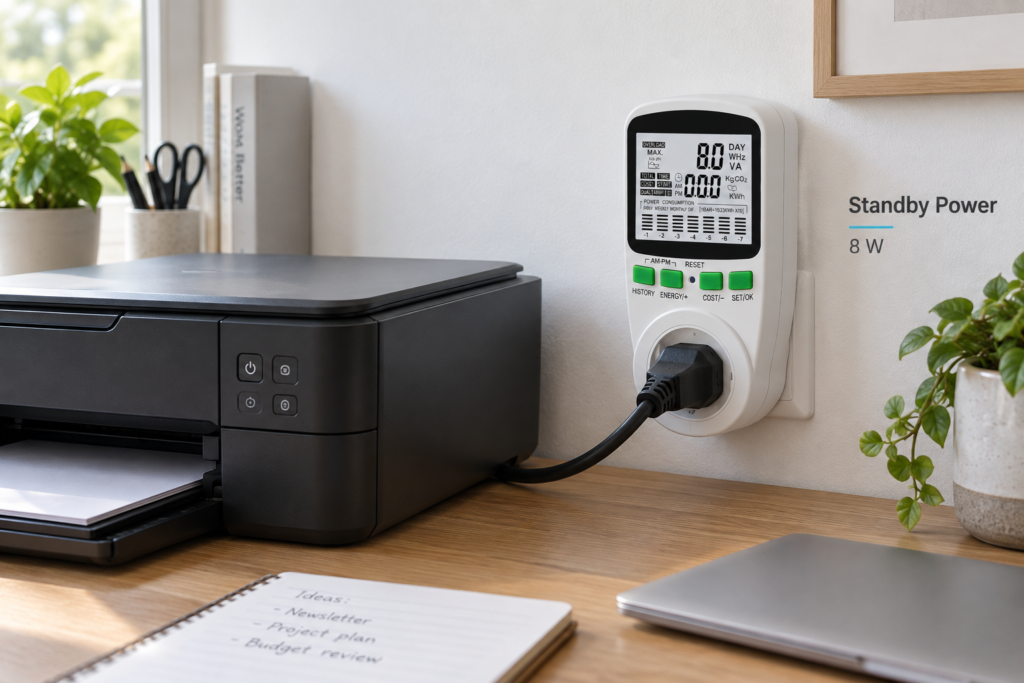
Scenario 03
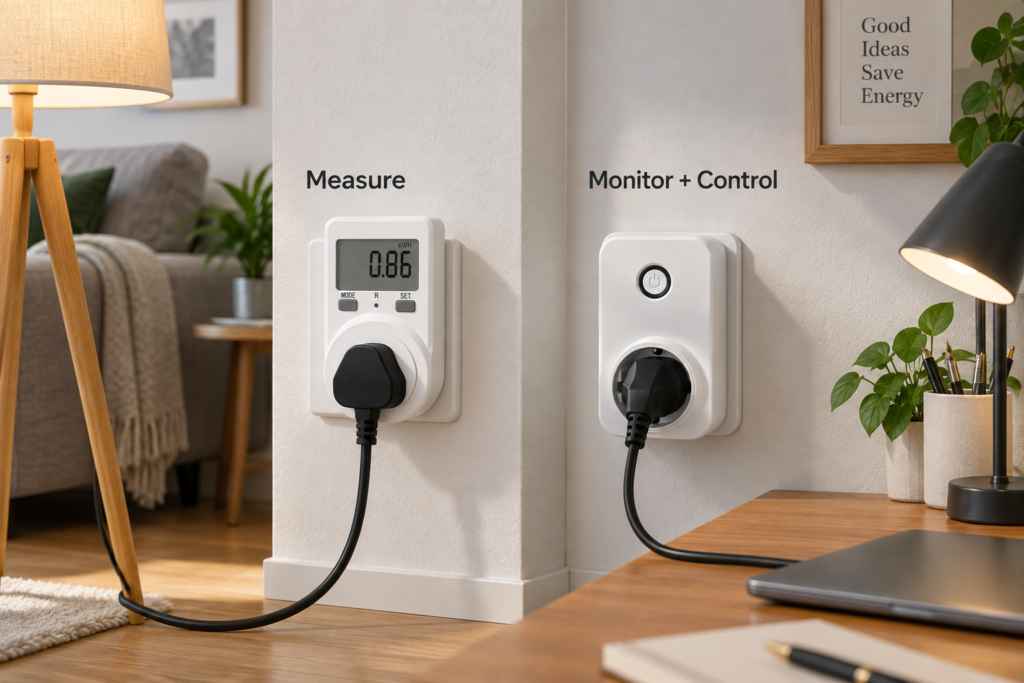
Scenario 04
Helpful Information
Answers to common questions about Power Meter.
A: A power meter is a device that measures voltage, current, real-time power, cumulative energy consumption (kWh), and electricity cost. It makes invisible energy use visible and quantifiable. Browse our power meters for models.
A: No. A power meter itself does not lower your bill. Its real value is making energy consumption clear and measurable. By showing voltage, current, real-time power, cumulative kWh, and cost, it helps you identify high-consumption devices, detect standby power, and compare usage patterns. Monitoring is not the end of saving — it‘s the first step toward smarter energy decisions. Read our full guide: How do power monitors work to reduce electricity bills?
A: A device with low rated power may still consume a lot if it runs for long hours. Only by understanding actual consumption can you reduce unnecessary runtime, adjust habits, or choose more efficient equipment. A power meter gives you that data. Learn more: How do power monitors work to reduce electricity bills?
A: A basic plug-in power meter provides simple, direct measurement for a single device. A Wi-Fi energy monitoring socket adds remote monitoring, scheduling, and control — turning “understanding energy use” into “managing energy use.” View our smart sockets for Wi-Fi models.
A: Refrigerators, air conditioners, heaters, water pumps, and any appliance that runs long hours or cycles frequently. These are often the biggest energy consumers and the best candidates for monitoring. See our power meters for recommended models.
A: Use the data to identify high-consumption devices, detect standby power, and compare usage patterns. For example, a device that seems low-power may have a surprisingly high cumulative cost if left running. With real data, you can adjust runtime or choose more efficient models.
A: Yes. Standby power — often called “vampire power” — can add up over time. A power meter shows exactly how much a device consumes when idle or in standby mode. This helps you decide whether to unplug or use a timer socket to cut power automatically.
A: Yes. For commercial and industrial applications, power meters help monitor equipment efficiency, identify abnormal consumption, and support preventive maintenance. For heavy-duty needs, see our Industrial Timer solutions or contact us for customized options.
A: Our power meters measure voltage, current, real-time power (W), cumulative energy (kWh), and electricity cost. Some models also support frequency and power factor.
A: Our standard models support 16A/230V or 15A/110V. Some models support higher ratings.
A: Yes. We offer models for UK, EU, US, and other standards. Parameters can be customized based on MOQ. Learn more about OEM/ODM customization.
A: Yes. Our Wi-Fi energy monitoring sockets support remote monitoring, scheduling, and control via mobile app. See our smart sockets for options.
A: Yes. Our power meters are CE, RoHS, and GS certified for European markets. Other certifications are available depending on your target market. Contact us for details.
A: We conduct appearance, functional, load, accuracy, and aging tests according to product type. Production samples are kept for reference.
A: We provide a minimum one-year warranty for our mechanical timer sockets. The exact warranty terms depend on the product model, order agreement, and application conditions.
For warranty details or after-sales support, please contact our team. visit our contact page.
A: Our standard minimum order quantity is 2,000 pieces. For trial orders or selected models, we may offer a lower quantity, such as 500 pieces.
The available quantity depends on the model, customization requirements, packaging, and production schedule. Contact us for a quotation based on your requirements.
A: A:Yes. We provide OEM and ODM customization services, including:
Logo printing
Custom dial designs
Product colors
Labels and instruction manuals
Individual packaging
Export carton designs
Minimum order quantities apply and vary according to the customization requirements.
Explore our OEM and ODM options.
A: Yes. Samples are available for product testing and approval before bulk production. Sample availability, cost, customization options, and delivery time depend on the selected model.
Contact us with your required plug type, voltage, current rating, application, and target market.
A: We use reinforced export packaging designed to reduce the risk of damage during long-distance transportation. Products are typically packed in individual packaging, double inner cartons, and a thick outer master carton.
Custom packaging, labels, barcodes, manuals, and carton markings are also available upon request.
Start a Conversation
Tell us your product, quantity and target market. We will recommend suitable models and reply within 6 hours during working days.
NINGBO OFFICE
Building 2, No.12, Yiwu East Road, Shangyu, Ningbo, Zhejiang, China.