
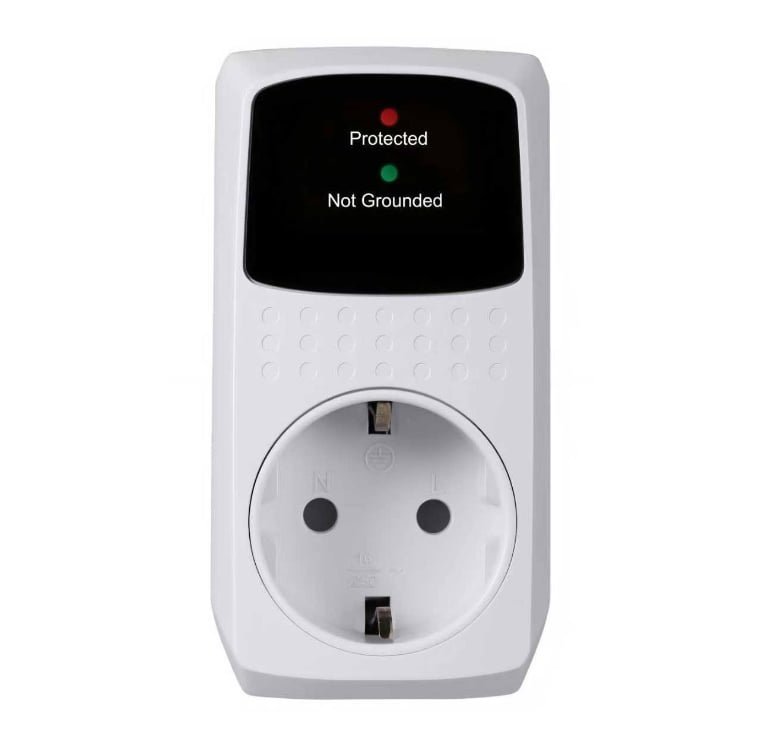
230V Surge Protector Socket, 4000W, 6kV / 26kA Surge Protection
- Item No. SP01A
12 Months
View Details
Products
4
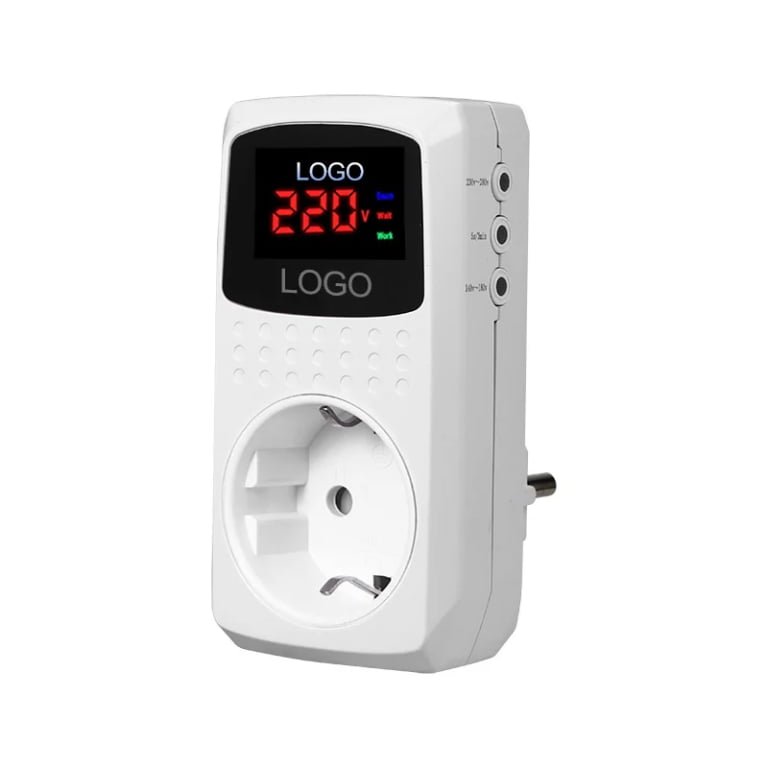
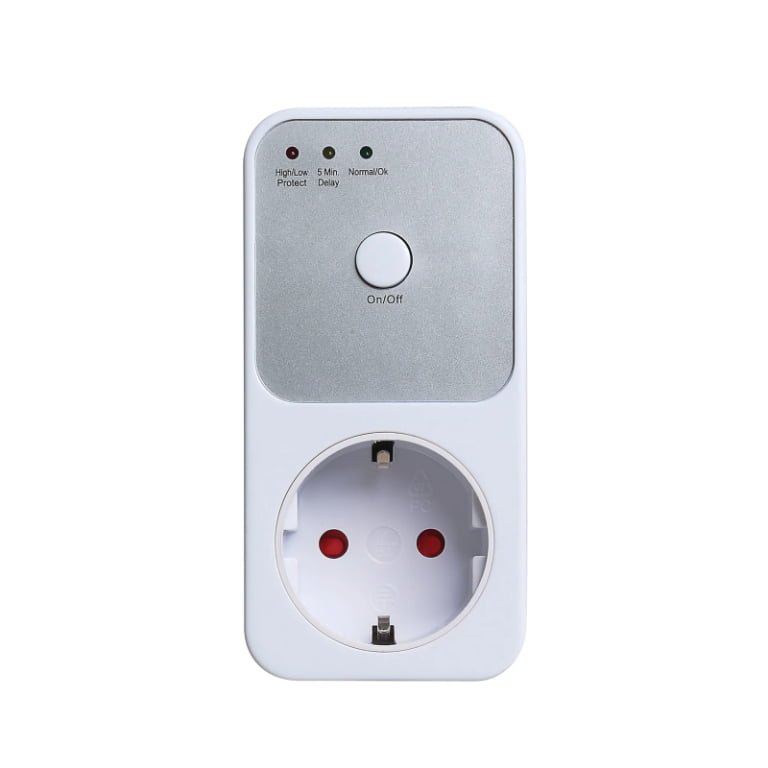
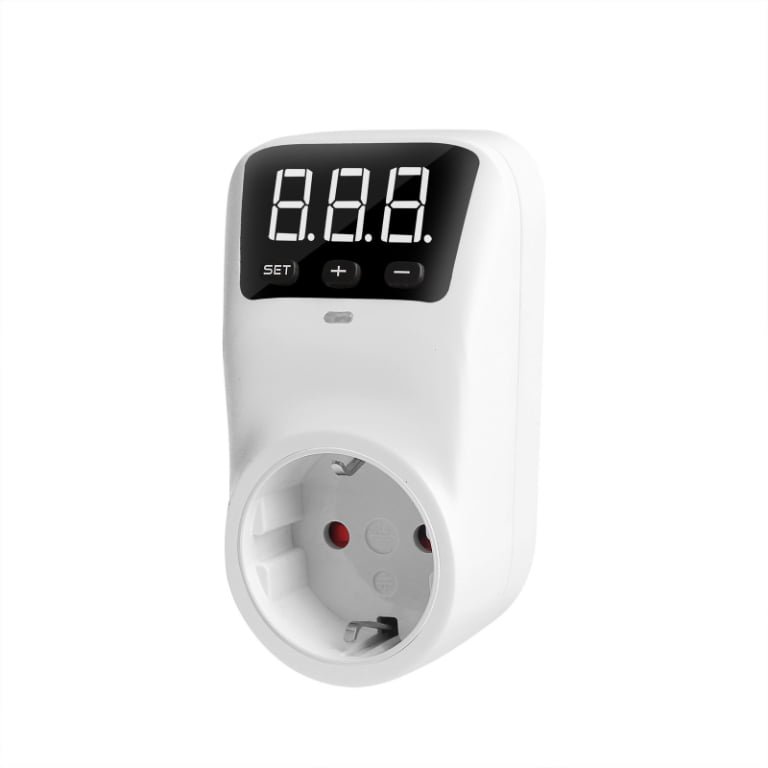
Real-World Uses
Explore practical ways to use Surge & Voltage Protector in everyday and professional settings.
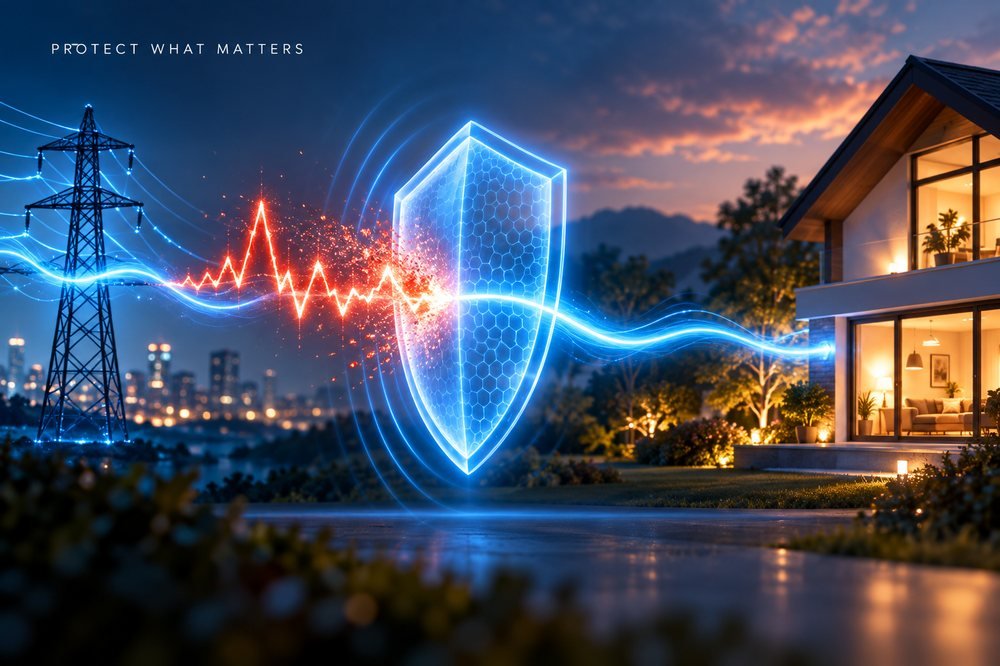
Scenario 01

Scenario 02
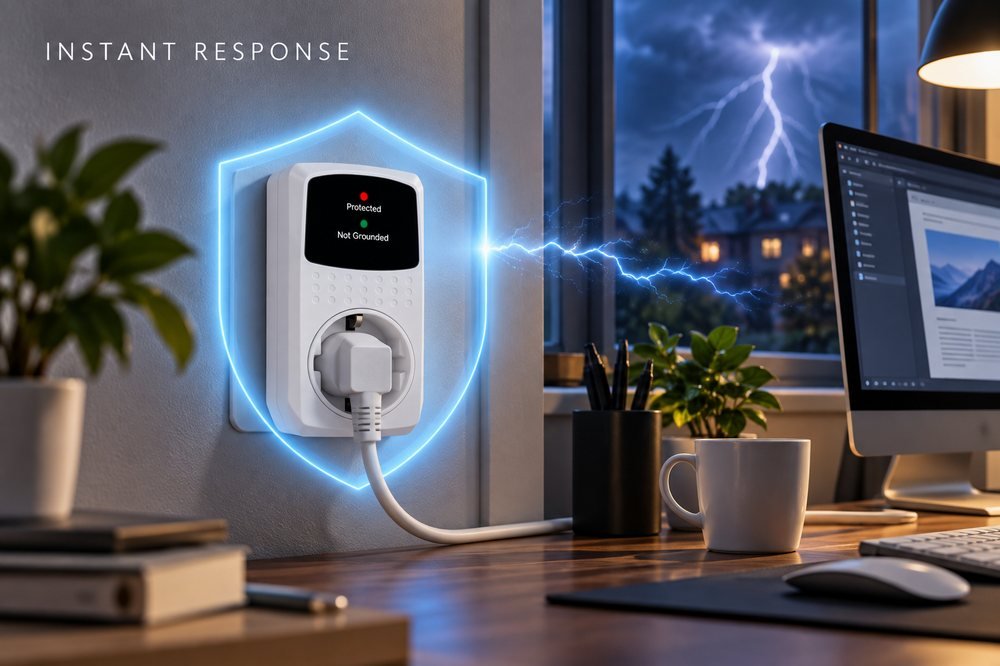
Scenario 03
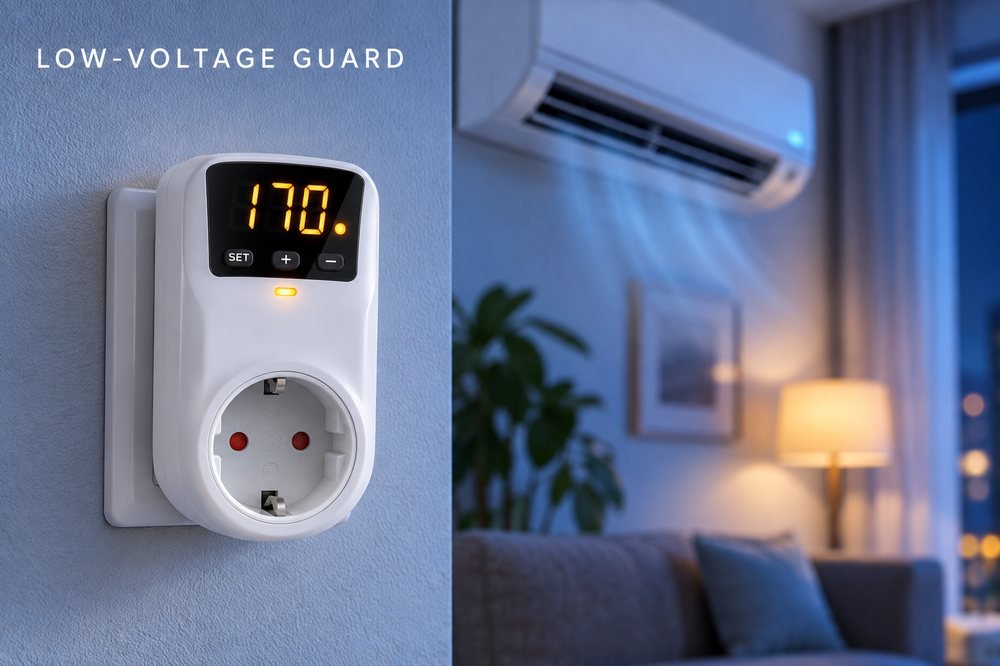
Scenario 04
Helpful Information
Answers to common questions about Surge & Voltage Protector.
A: A voltage protector is a device that continuously monitors input voltage. When voltage goes above or below a safe range, it automatically disconnects power to your appliances. When voltage returns to normal, it reconnects power. This protects motors, PCBs, power supplies, sensors, and electronic control systems from repeated voltage fluctuations. Learn more in our guide: Why and how does a voltage protector work to safeguard electronics?
A: In many regions — Southeast Asia, Africa, the Middle East, and even parts of Europe — voltage can be unstable. Frequent outages, rapid power restoration, over-voltage, and under-voltage can shorten appliance lifespan and even cause fires. A voltage protector acts as a buffer between your appliance and the grid. For example, a refrigerator runs 24/7 and starts/stops frequently. Each start puts extra stress on the compressor and electronics. A voltage protector cuts power when voltage is unsafe, then restores it when stable — extending the appliance‘s life. Read more: Why and how does a voltage protector work to safeguard electronics?
A: They solve two different problems. A surge protector handles instantaneous high-voltage spikes from lightning, grid switching, or motor starts. It responds very fast and absorbs transient over-voltage to protect sensitive electronics like computers, TVs, and routers. A voltage protector handles sustained over-voltage, under-voltage, and frequent fluctuations. It cuts power when voltage is out of range and restores it when stable. For motor-driven appliances like refrigerators, air conditioners, freezers, and pumps, a voltage protector is often more practical. Read our full comparison: Voltage protector vs surge protector: what are the differences, and which one should you choose?
A: It depends on your local grid and equipment. If the main risk is lightning and instantaneous spikes, choose a surge protector. If voltage is chronically unstable — high, low, or fluctuating — a voltage protector is more valuable. In complex electrical environments, they are complementary: surge protection solves sudden events, voltage protection solves ongoing issues. For high-value appliances, using both gives the most complete protection. Read our guide: Voltage protector vs surge protector: what are the differences, and which one should you choose?
A: Appliances with compressors or motors — refrigerators, air conditioners, freezers, water pumps, and washing machines — benefit most. These devices are sensitive to repeated voltage fluctuations and frequent starts/stops. A voltage protector reduces stress on the compressor and internal electronics. View our surge & voltage protectors for models.
A: Yes. A refrigerator runs 24/7, and its compressor starts and stops many times a day. When voltage is unstable, each start puts extra load on the compressor and PCB. A voltage protector monitors the input voltage and cuts power when it goes out of range — then reconnects when stable. This simple buffer can significantly extend the refrigerator’s lifespan. Learn more: Why and how does a voltage protector work to safeguard electronics?
A: Yes. In regions with frequent outages and rapid power restoration, voltage spikes and fluctuations are common. A voltage protector disconnects power during unsafe conditions and reconnects only when voltage is stable. This protects motors, PCBs, and power supplies from repeated stress. See our surge & voltage protectors for options.
A: Yes, and for valuable equipment we recommend it. A surge protector handles sudden spikes; a voltage protector handles ongoing fluctuations. Together they form a more complete protection system. Read our comparison: Voltage protector vs surge protector: what are the differences, and which one should you choose?
A: Our standard models support common ranges for 230V and 110V markets. Custom voltage ranges are available based on MOQ. See specifications for details.
A: Surge protectors typically respond in under 25 nanoseconds. Voltage protectors continuously monitor and react within milliseconds. Check each product’s datasheet for exact figures. Contact us for details.
A: Our standard models support 16A/230V or 15A/110V. Some models support higher ratings.
A: Yes. We offer models for UK, EU, US, and other standards. Parameters can be customized based on MOQ. Learn more about OEM/ODM customization.
A: Yes. Our protectors are CE, RoHS, and GS certified for European markets. Other certifications are available depending on your target market. Contact us for details.
A: We conduct appearance, functional, load, and aging tests according to product type. Production samples are kept for reference.
A: We provide a minimum one-year warranty for our mechanical timer sockets. The exact warranty terms depend on the product model, order agreement, and application conditions.
For warranty details or after-sales support, please contact our team. visit our contact page.
A: Our standard minimum order quantity is 2,000 pieces. For trial orders or selected models, we may offer a lower quantity, such as 500 pieces.
The available quantity depends on the model, customization requirements, packaging, and production schedule. Contact us for a quotation based on your requirements.
A: A:Yes. We provide OEM and ODM customization services, including:
Logo printing
Custom dial designs
Product colors
Labels and instruction manuals
Individual packaging
Export carton designs
Minimum order quantities apply and vary according to the customization requirements.
A: Yes. Samples are available for product testing and approval before bulk production. Sample availability, cost, customization options, and delivery time depend on the selected model.
Contact us with your required plug type, voltage, current rating, application, and target market.
A: We use reinforced export packaging designed to reduce the risk of damage during long-distance transportation. Products are typically packed in individual packaging, double inner cartons, and a thick outer master carton.
Custom packaging, labels, barcodes, manuals, and carton markings are also available upon request.
Start a Conversation
Tell us your product, quantity and target market. We will recommend suitable models and reply within 6 hours during working days.
NINGBO OFFICE
Building 2, No.12, Yiwu East Road, Shangyu, Ningbo, Zhejiang, China.