
Do Mechanical Timers Contribute to Energy Efficiency?
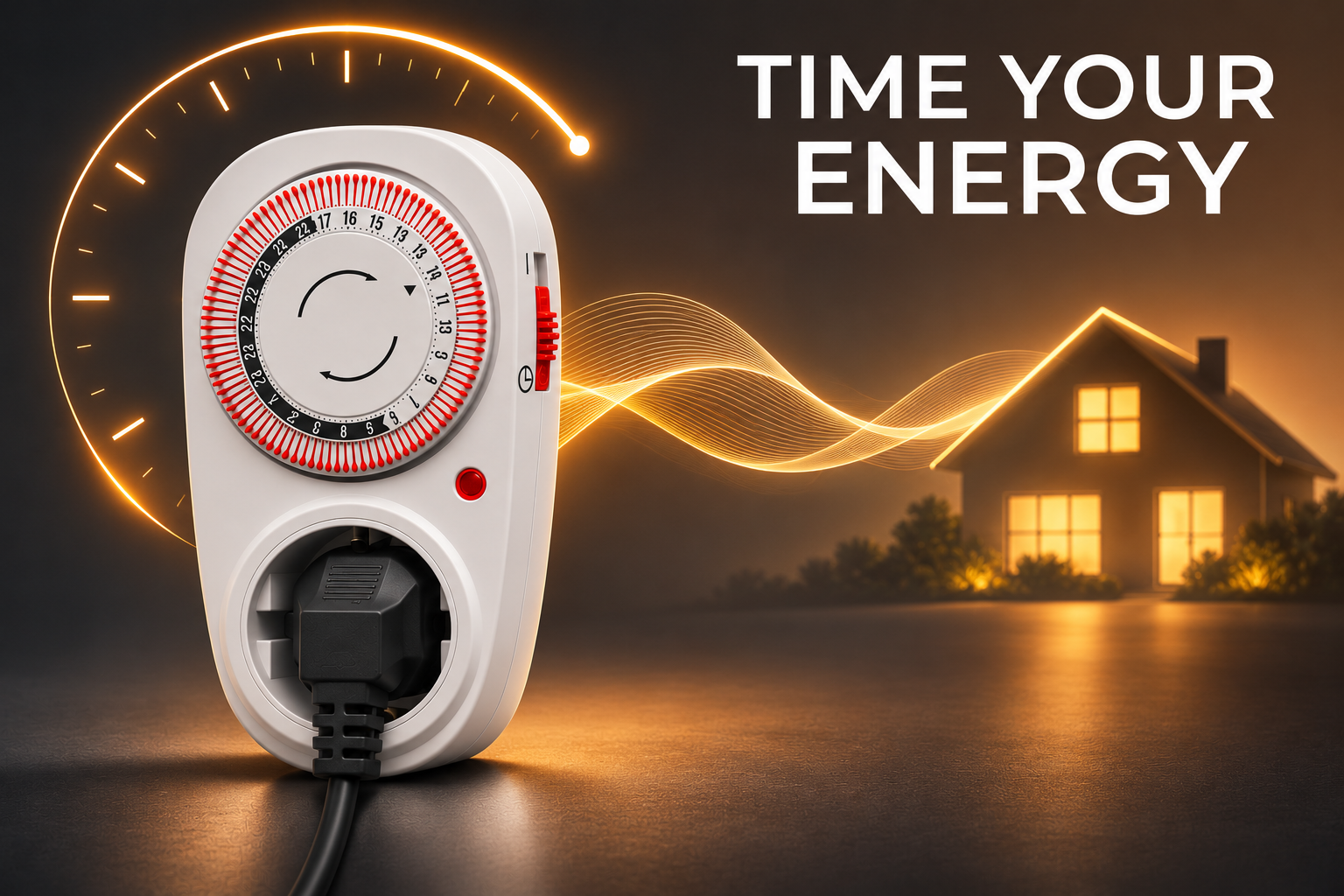
Are your customers paying high electricity bills for devices left on all night? Wasting power hurts profits. Mechanical timers offer a simple fix to cut this hidden waste.
Yes, mechanical timers significantly improve energy efficiency. They automatically turn off devices like lights and pumps when not needed. This prevents power waste from human error. You do not need smart tech to save energy; a simple preset schedule works perfectly.
You might think that only smart plugs can save energy today. But that is not true. Let me share why traditional timer sockets are still top sellers in our factory.
How Do Mechanical Timers Reduce Unnecessary Power Consumption?
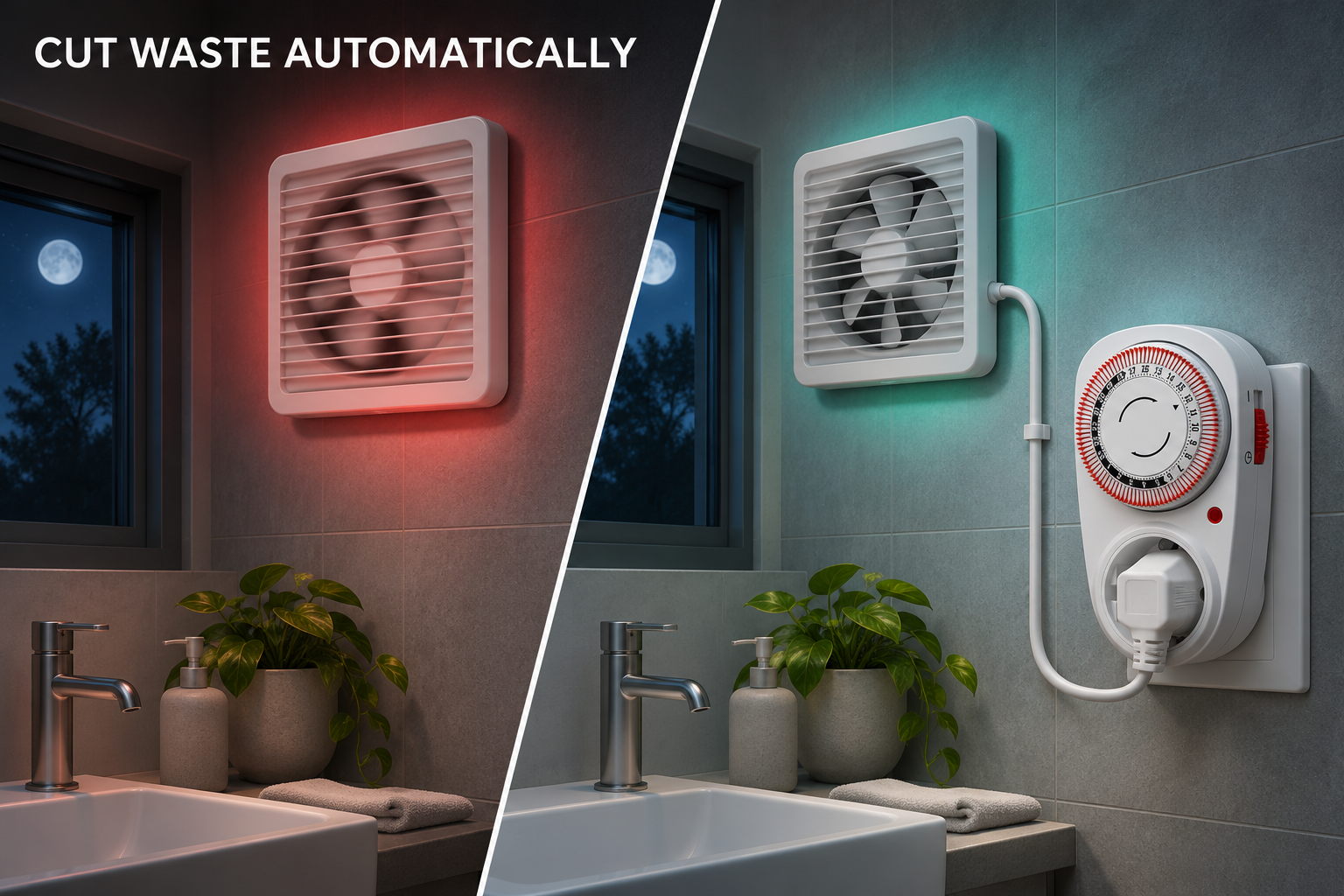
Do people often forget to turn off exhaust fans? Leaving devices on drains energy fast. Mechanical timers solve this by cutting power exactly when the preset time ends.
Mechanical timers reduce power consumption by acting as an automatic off switch. Users set a daily schedule. The timer cuts the electrical circuit at the exact time. This stops devices from running all day. It is the most direct way to stop standby power waste.
Let us break down how this simple mechanism creates real savings. When I first started working at Timebest in 2015, we tested many power meters. We found that devices left on by accident use a lot of power over a year.
The Hidden Cost of Human Error
People are busy. They forget to flip switches. A mechanical timer takes away this human error. You set the dial once. The device follows the rule every day. It does not forget.
Comparing Running Costs
Look at how much energy you save when you limit running hours. Here is a simple breakdown for common devices.
| Device Type | Power (Watts) | 24-Hour Energy (kWh/day) | Timer Use (8 hrs/day) | Daily Savings (kWh) |
|---|---|---|---|---|
| Water Pump | 500W | 12.0 kWh | 4.0 kWh | 8.0 kWh |
| Store Sign | 200W | 4.8 kWh | 1.6 kWh | 3.2 kWh |
| Exhaust Fan | 100W | 2.4 kWh | 0.8 kWh | 1.6 kWh |
As you can see, the savings are huge. You do not need to change the machine itself. You just change when it gets power. This is why our European brand clients buy these timers in large volumes. They want to give their customers a quick way to lower bills.
Why Is Simple Time Control Sometimes Better Than Smart Tech?
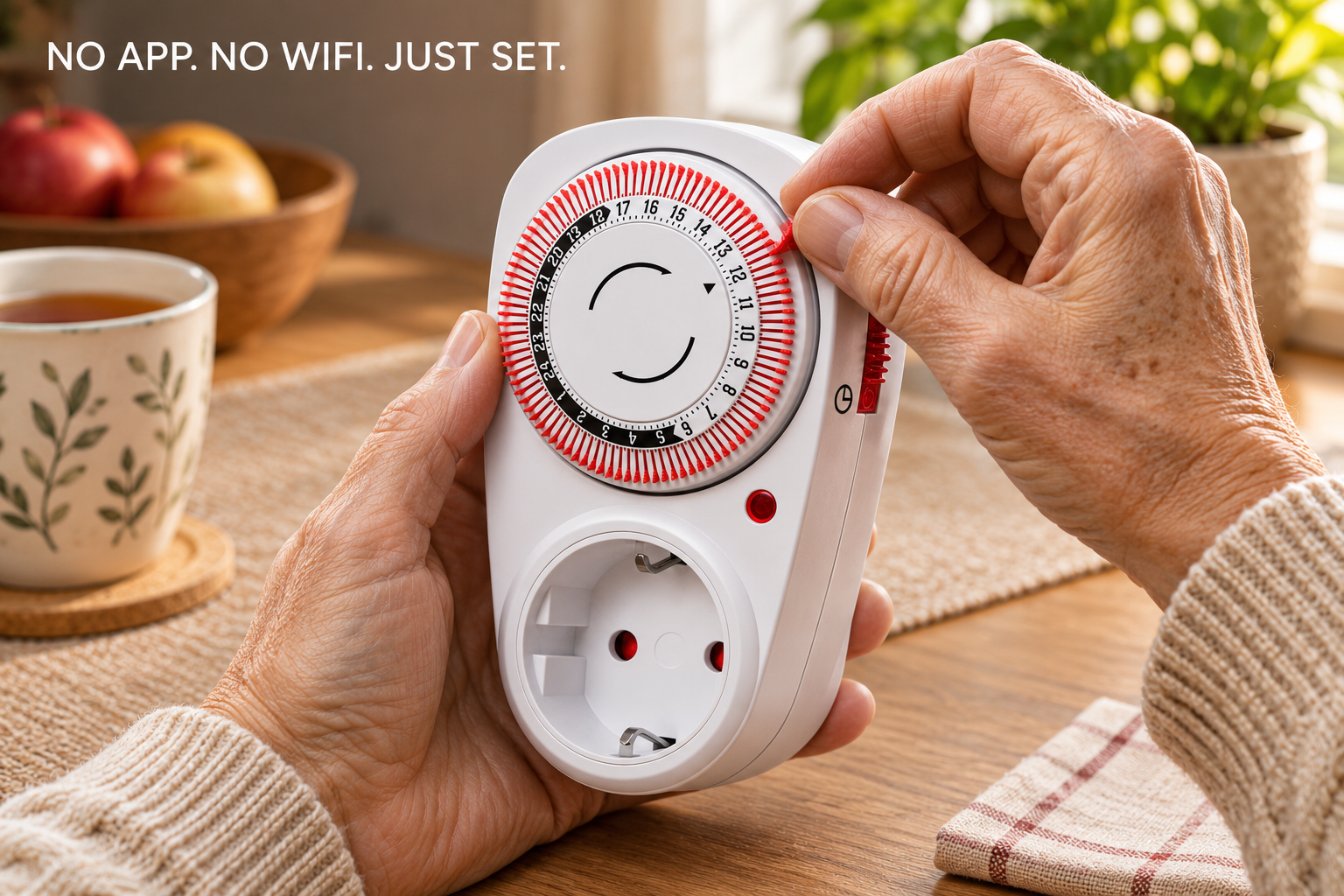
Smart apps can be hard to set up. WiFi drops cause smart plugs to fail. Mechanical timers avoid these headaches with a simple, plug-and-play dial system.
Simple time control is often better because it is reliable and easy to use. Mechanical timers do not need internet, apps, or passwords. You just push down the pins on the dial. They work perfectly in areas with bad WiFi or for older users.
We make smart sockets at Timebest too. But I always tell our wholesaler clients that mechanical timers have a special place in the market. Not everyone wants a smart home.
Zero Setup Problems
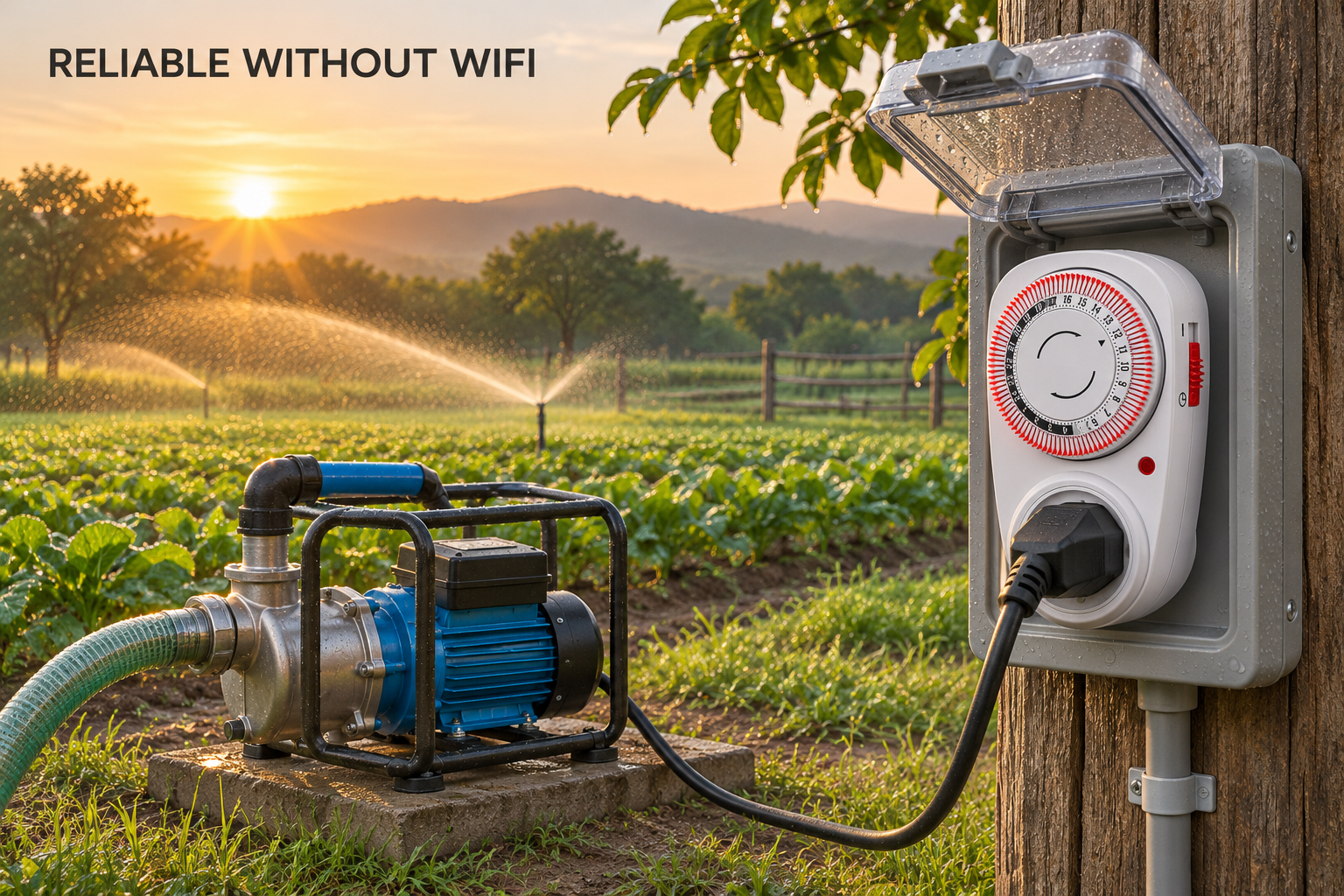
Think about a farmer using a water pump. He does not have WiFi in his field. He needs a timer that works right out of the box. Mechanical timers give him that. He just plugs it in and sets the pins.
High Reliability in Tough Spots
Smart devices can lose connection. Mechanical devices keep ticking. They use a small internal motor. As long as there is power, they keep time.
| Feature | Mechanical Timer | Smart Socket |
|---|---|---|
| Setup Method | Push pins on dial | Download app, pair WiFi |
| Internet Needed | No | Yes |
| Target User | Anyone, older adults | Tech fans, smart homes |
| Failure Risk | Very low | Network drop, app updates |
Retailers love selling mechanical timers because they get fewer returns. Customers do not call the store to say the app is broken. It is a stable, zero-complaint product. This makes it a great choice for DIY stores and local electrical brands.
What Devices Benefit Most From Mechanical Timer Switches?
Not all devices need a timer. Using timers on the wrong items wastes money. You must match mechanical timers with devices that have clear, fixed running schedules.
Mechanical timers work best for devices with fixed routines. Good examples include garden lights, water heaters, pool pumps, and store window signs. These devices do not need to run all day. A timer ensures they only use power during the exact hours you need them.
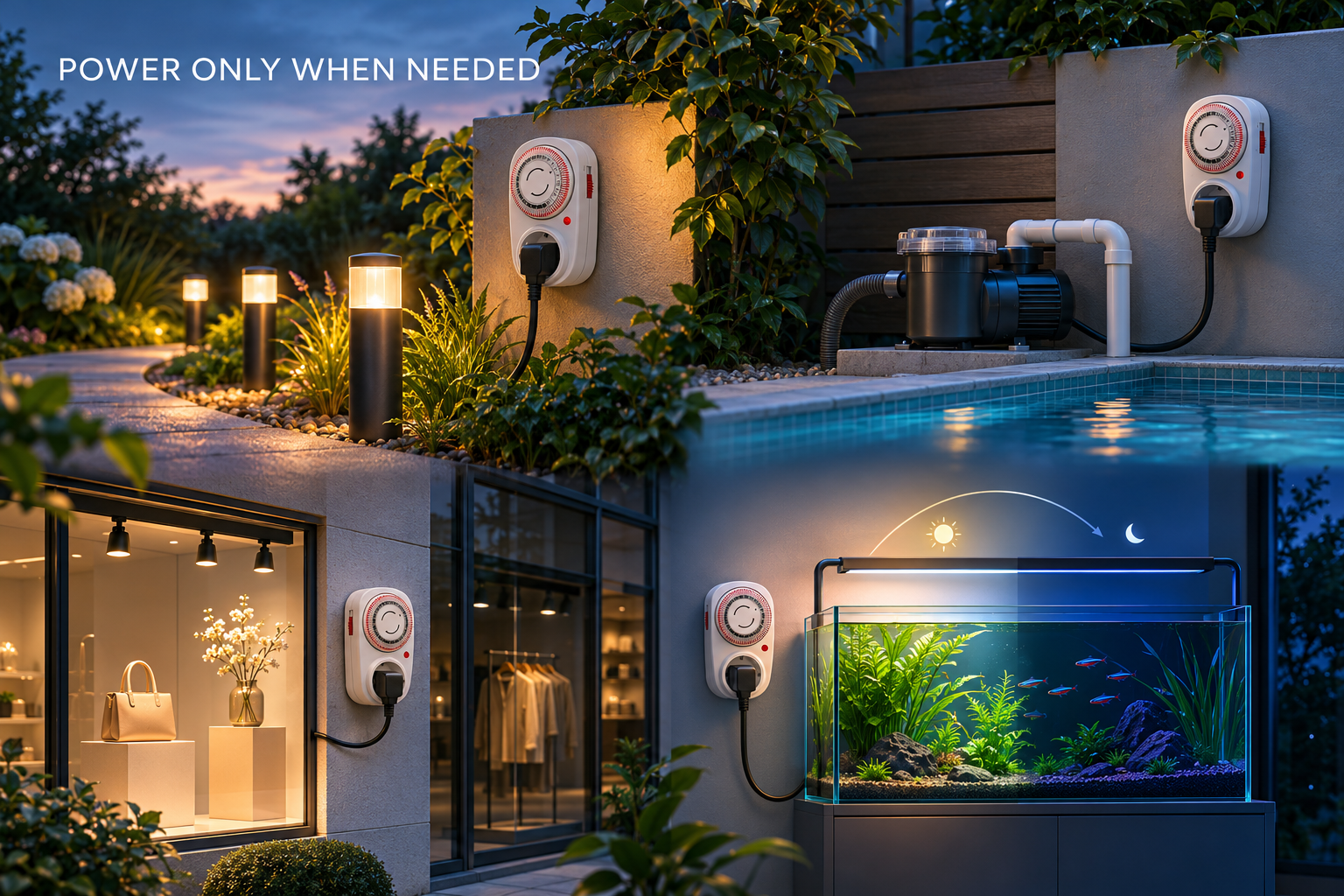
We help many brand owners choose the right products for their markets. I always suggest they market mechanical timers for specific use cases. If you show the customer how to use it, they will buy it.
Heavy Energy Users
Devices that heat or cool use the most power. Water heaters are a great example. A water heater running all night wastes money. A timer can turn it on just one hour before morning showers.
Security and Lighting
Many people use timers for security. They set living room lamps to turn on from 7 PM to 10 PM. This makes the house look occupied when they are away.
| Application Area | Specific Device | Why Use a Timer? |
|---|---|---|
| Outdoor & Garden | Pool pumps, sprinklers | Fixed daily watering and cleaning times |
| Retail Stores | Window display lights | Turn off after midnight to save money |
| Home Security | Indoor lamps, radios | Create the illusion of people at home |
| Pet Care | Aquarium lights, heaters | Keep regular day and night cycles for fish |
These clear examples help our B2B clients sell more. When you sell a timer, you are really selling convenience and lower bills.
Does the Timer Itself Consume Too Much Electricity?
Are you worried that adding a timer will increase your electric bill? It is a valid fear. However, mechanical timers use very little power to run their internal clock.
A mechanical timer consumes a very small amount of electricity. It usually uses around 1 to 2 watts per hour. This equals less than 1.5 kWh per month. The energy it saves by turning off large appliances is much bigger than the tiny power it uses.
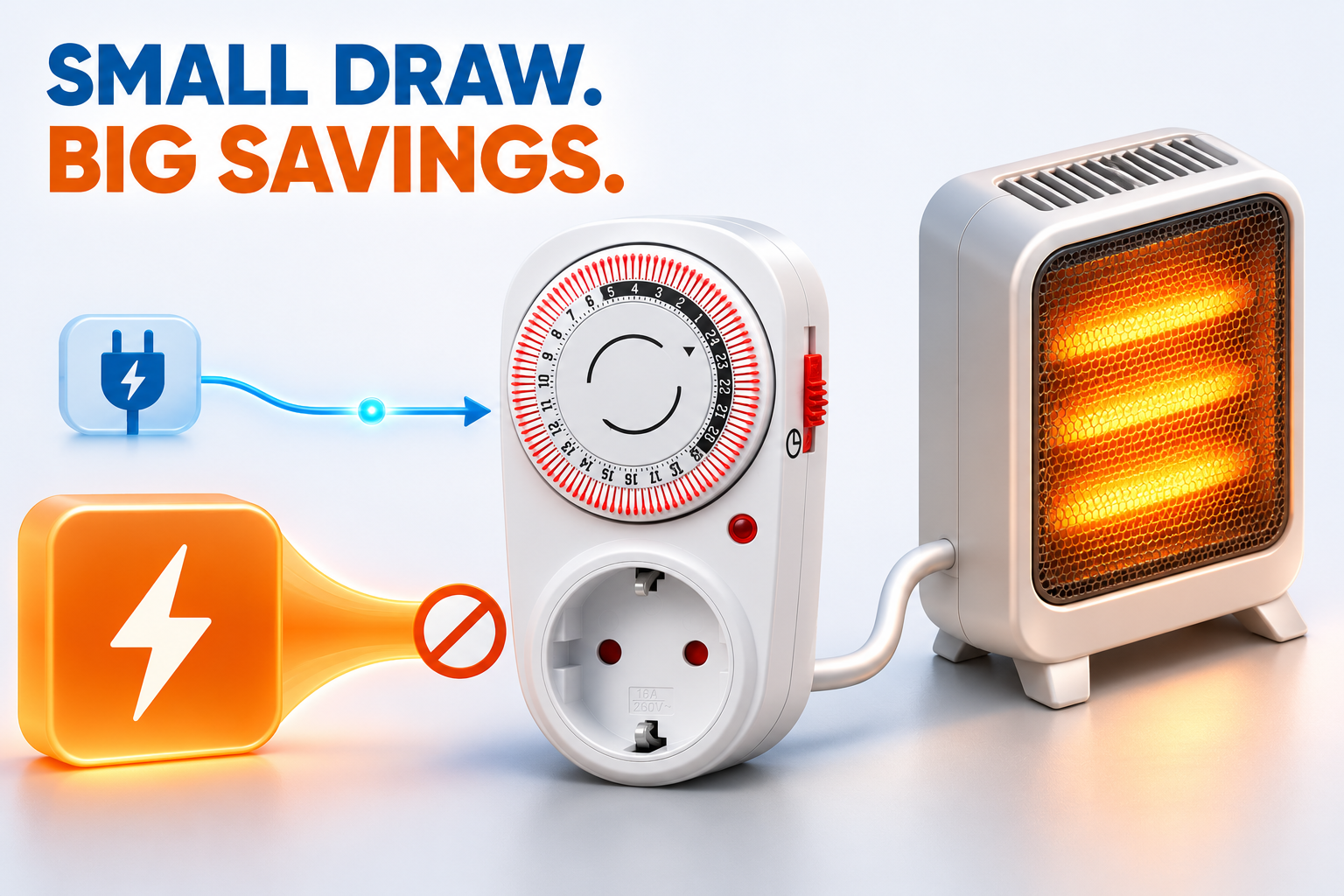
This is a common question I hear from new importers. They want to know the exact net savings. We test this in our lab all the time to make sure our products perform well.
Understanding the Internal Motor
A mechanical timer has a tiny synchronous motor inside. This motor turns the dial. It needs power to keep the time accurate. But the power draw is tiny. It is much smaller than the standby power of a modern TV.
The Net Energy Savings
You have to look at the big picture. You spend a tiny bit of power to control a big power load.
| Metric | Value |
|---|---|
| Timer Own Consumption | ~ 1 Watt |
| Timer Monthly Energy | ~ 0.72 kWh |
| Connected Heater Power | 2000 Watts |
| Heater Saved Time | 4 hours per day |
| Heater Monthly Savings | 240 kWh |
As the table shows, the timer uses less than 1 kWh a month. But it saves 240 kWh a month on the heater. The return on investment is massive. This data helps our distributor clients prove the value of the product to their users. It is a very practical energy management plan.
How Can Wholesalers Build a Profitable Timer Product Line?
Selling just one type of timer limits your sales. Customers have different needs. You can fix this by building a complete, customized timer product line for your brand.
Wholesalers can build a profitable line by offering different timer types. You should include 24-hour daily timers, weekly timers, and outdoor waterproof models. Partner with a strong factory like Timebest. We provide OEM services, custom logos, and packaging design to help your brand grow.
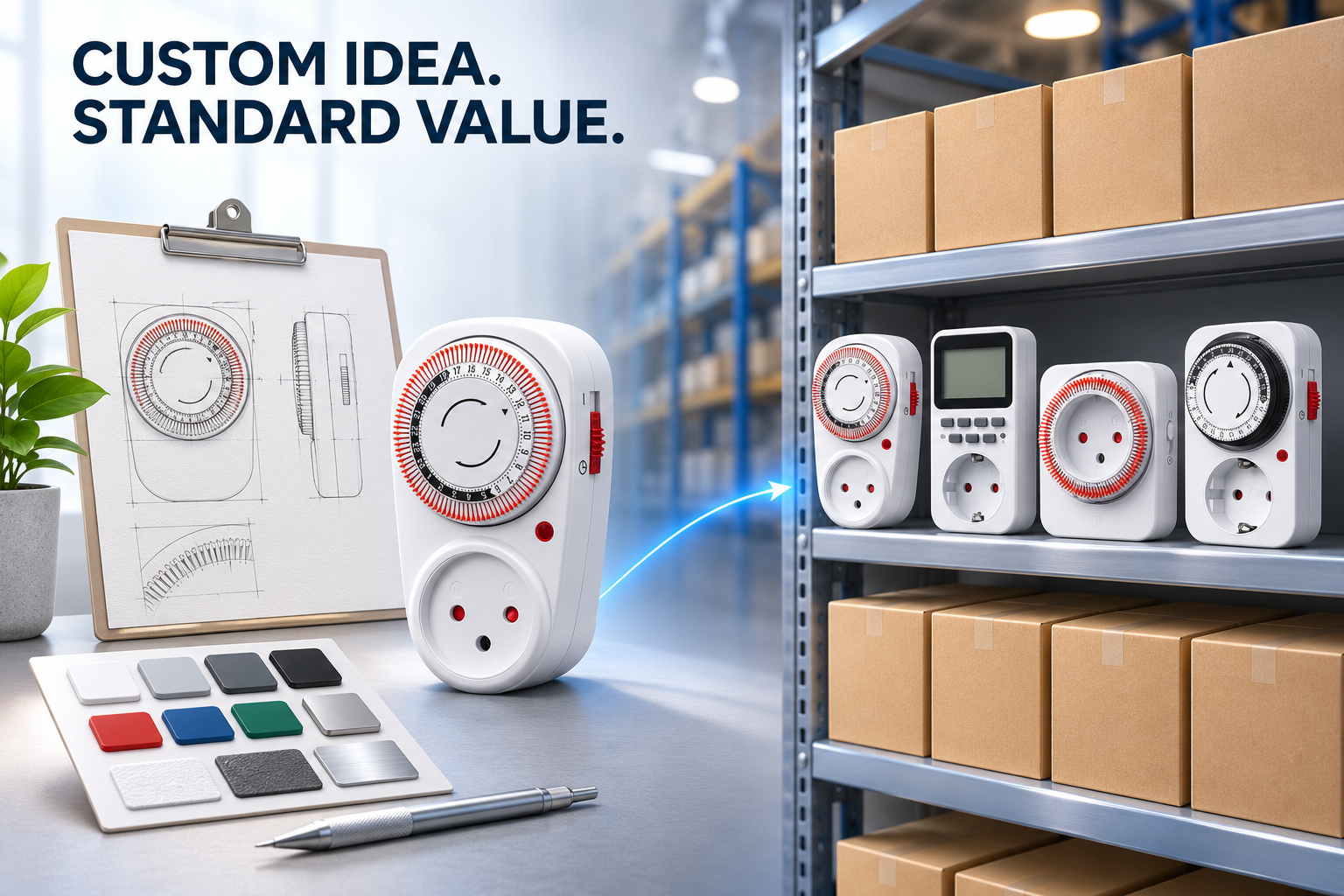
At Timebest, we do more than just make products. We are an integrated manufacturing and supply chain solution provider. I have helped many DIY store private-label brands grow from zero to huge sales.
Customization Is Key
Your market is unique. European buyers need Schuko or French plugs. UK buyers need BS plugs. We match the exact specs you need. We also print your logo on the product. This builds your brand trust.
A Complete Product Family
Do not just sell one basic timer. Give your customers choices.
| Timer Category | Target Customer | Key Feature |
|---|---|---|
| Basic 24-Hour Timer | Budget home users | Simple 15-minute pin intervals |
| Heavy Duty Timer | Contractors, workshops | High wattage rating (e.g., 16A, 3680W) |
| Outdoor Timer | Gardeners, holiday lights | IP44 waterproof rating, weather covers |
| Weekly Digital Timer | Offices, schools | 7-day programming, exact minute control |
We offer flexible MOQ to support your market testing. From the first concept draft to the final shelf-ready product, we take about 30 days. We hold CE, ROHS, and GS certificates. This means you can import safely and sell fast.
Conclusion
Mechanical timers are simple, cheap, and highly effective for saving energy. They stop power waste without complex technology. Partner with us to bring these reliable products to your market.
<!--[googlesitekit-end-of-content]-->