
Smart Plug vs. Traditional Plug: What’s the Difference?

Have you ever left home and worried about a fan still running? Manual plugs cause this daily stress. Smart plugs offer a simple fix to this common problem.
The main difference is control. Traditional plugs only provide basic power and require manual operation. Smart plugs connect to Wi-Fi, allowing you to use a phone app to control devices remotely, set schedules, and automate your daily tasks for better convenience.
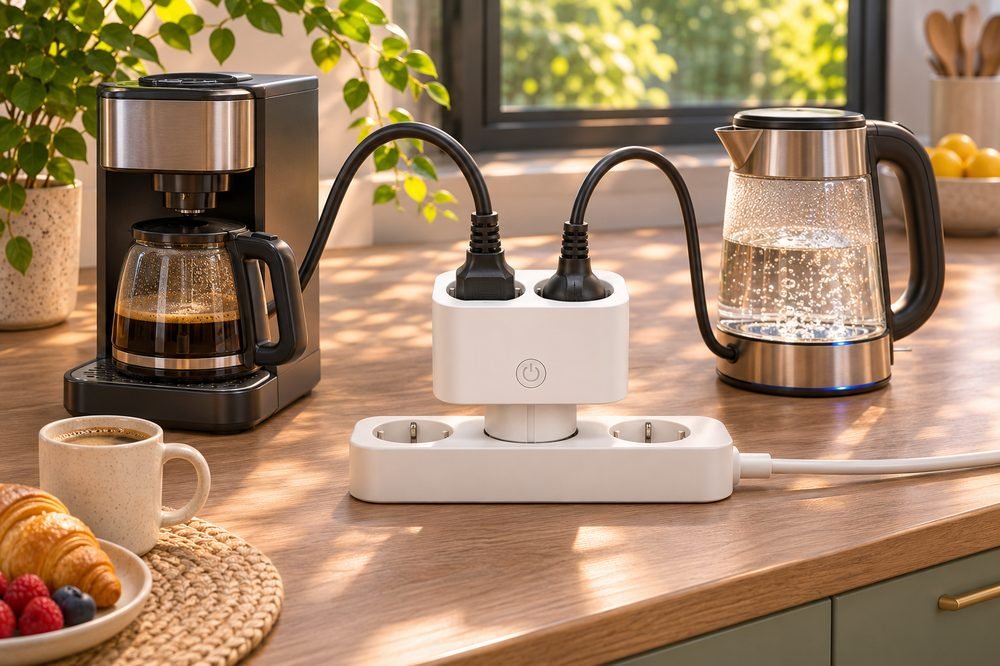
I have seen many wholesale buyers struggle to choose the right product line for their local markets. Let us look closer at how these two types of plugs compare so you can make the best choice.
How do their control methods differ?
It is tiring to walk around a large house to turn off every switch. Basic plugs force you to do this. Upgraded plugs let you control everything from one screen.
Traditional plugs need physical pressing or unplugging to stop power flow. In contrast, smart plugs use wireless networks like Wi-Fi. This means you can turn appliances on or off from anywhere using a smartphone app or voice commands.

In my years of working at our factory in Ningbo, I have noticed a huge change in customer demands. Buyers now want products that make life easier. Let us break down the physical and digital control methods.
Manual Control Limits
Traditional sockets are very simple. You plug in a device, and it gets power. If you want to cut the power, you must pull the plug out or flip a wall switch. This is fine for a TV in the living room. But it is bad for hard-to-reach places. If a plug is behind a heavy sofa, you will hate turning it off. This manual work takes time. It also means you must be in the same room as the plug.
Digital Control Benefits
Smart sockets change this completely. We add smart chips inside the sockets during our production process. These chips connect to home internet routers. When you are at work, you can open an app on your phone. You press a button on the screen, and the socket at home turns off. This remote access is a big selling point for DIY store brands and online sellers. We also add voice control features. Customers can talk to smart speakers to control their devices. They do not need to use their hands at all.
Feature Comparison
| Feature | Traditional Plug | Smart Plug |
|---|---|---|
| Physical Switch | Yes | Yes (usually a small button) |
| App Control | No | Yes |
| Voice Control | No | Yes |
| Remote Access | No | Yes |
This change in control methods is why many local brands ask us for custom smart plugs. They want to give their users better options.
Which one is better for daily automation?
Do you hate waking up early just to turn on the coffee maker? Manual sockets cannot help you. Smart sockets solve this with easy timer settings.
Smart plugs are much better for daily automation. You can set specific schedules for devices to turn on and off automatically. Traditional plugs cannot do this. Smart plugs handle all timing tasks directly through the mobile app to fit your daily life.
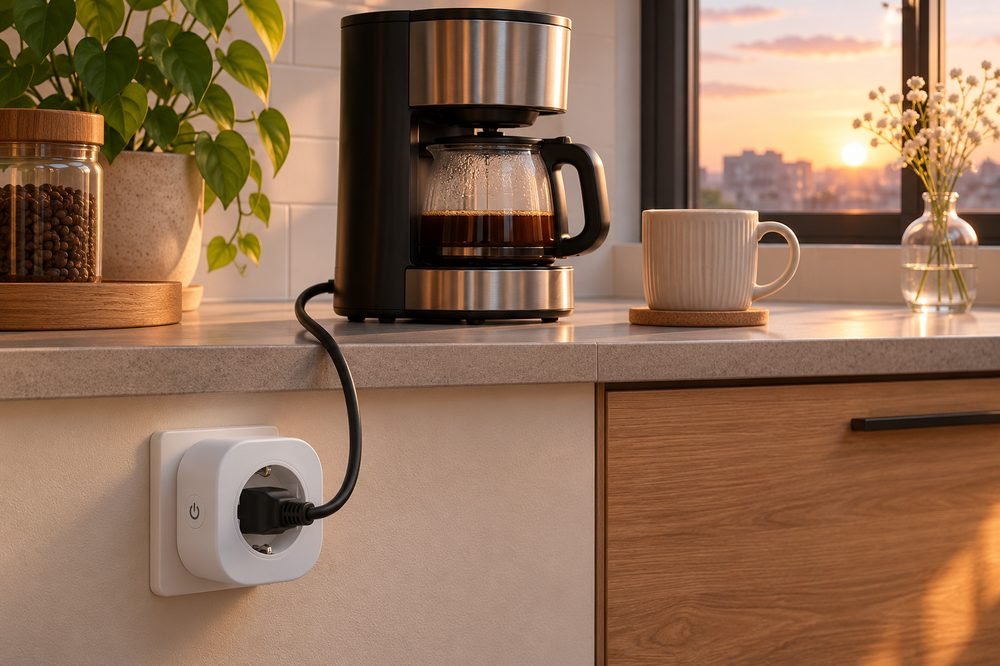
Before 2018, our factory focused on basic timer sockets and timer switches. They were great products, but the market wanted more. Today, automation is a basic need for modern homes. People do not want to do the same things every day.
The Power of Scheduling
Traditional plugs only supply power continuously. If you forget to turn off a heater, it will run all day. This wastes money. To fix this in the past, people used mechanical timers. You had to push small pins down to set the time. It was hard to read and easy to break. Smart plugs make this process digital and perfect. You use your phone screen to set the exact minute an appliance should work. For example, you can set the living room lamp to turn on at 6:00 PM every day. When you come home from work, the house is already bright.
Adapting to Life Routines
| Task | Traditional Plug | Smart Plug |
|---|---|---|
| Setup Method | Manual plug in/out | Digital app setup |
| Schedule Changes | Hard | Easy (one tap on phone) |
| Countdown Timer | No | Yes |
| Group Control | No | Yes |
Many of our B2B clients buy our smart plugs because they easily fit into bigger automation systems. They do not just replace old plugs. They fix the limits of manual control. For a brand owner, selling automation means selling a better lifestyle to your end users.
Are smart plugs safer than traditional plugs?
Leaving an iron plugged in can start a fire. Basic plugs will not warn you about this danger. Smart plugs add digital safety features to protect your home.
Smart plugs offer better safety features than traditional plugs. You can check your phone to see if a device is still running and turn it off remotely. Many smart plugs also have built-in overload protection and send alerts to your phone if something goes wrong.
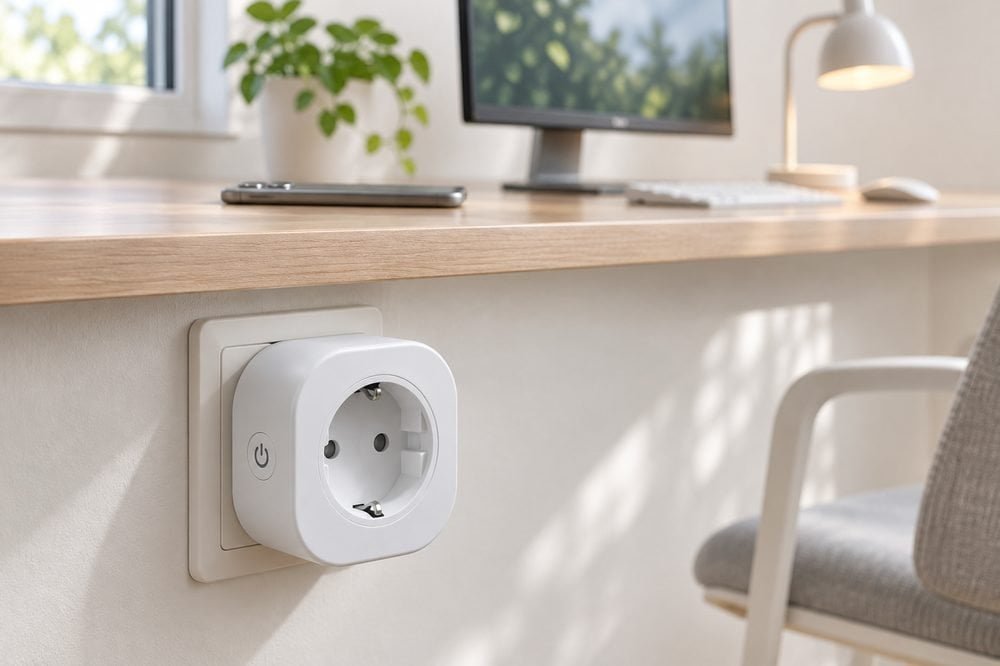
Safety is the most important thing for electrical products. We test all our products in recognized testing laboratories. Our items meet CE, ROHS, and GS standards. Both types of plugs must pass these strict tests. But smart plugs offer extra security.
Basic Physical Safety
Traditional plugs rely on physical materials for safety. We use fire-resistant plastics and strong metal parts. If there is a power surge, a traditional plug might just melt or break. It cannot tell you what happened. You only find out when you come home. This is safe enough to prevent big fires, but it does not give you any control.
Digital Safety Alerts
Smart plugs take safety to a new level. Because they connect to the internet, they can talk to you. If a heater draws too much power, the smart plug can cut the power automatically. Then, it sends a warning message to your phone app. You know about the problem right away. Also, the remote control feature is a great safety tool. If you leave the house and forget about the iron, you do not need to drive back. You just open the app and tap "off".
Safety Feature Comparison
| Safety Feature | Traditional Plug | Smart Plug |
|---|---|---|
| Fire-Resistant Material | Yes | Yes |
| Remote Shut Off | No | Yes |
| Overload Phone Alerts | No | Yes |
| Usage History Log | No | Yes |
For electrical contractors and installers, offering this extra safety helps win more projects. People love feeling safe.
How to choose between them for your business?
Buying the wrong product for your store wastes money and hurts sales. Basic plugs might not attract new buyers. Choosing the right mix ensures your retail success.
You should offer both types to fit your market. Traditional plugs are cheap and reliable for basic power needs. Smart plugs attract buyers who want convenience and automation. A good business strategy includes standard sockets for budget buyers and smart sockets for tech-loving users.
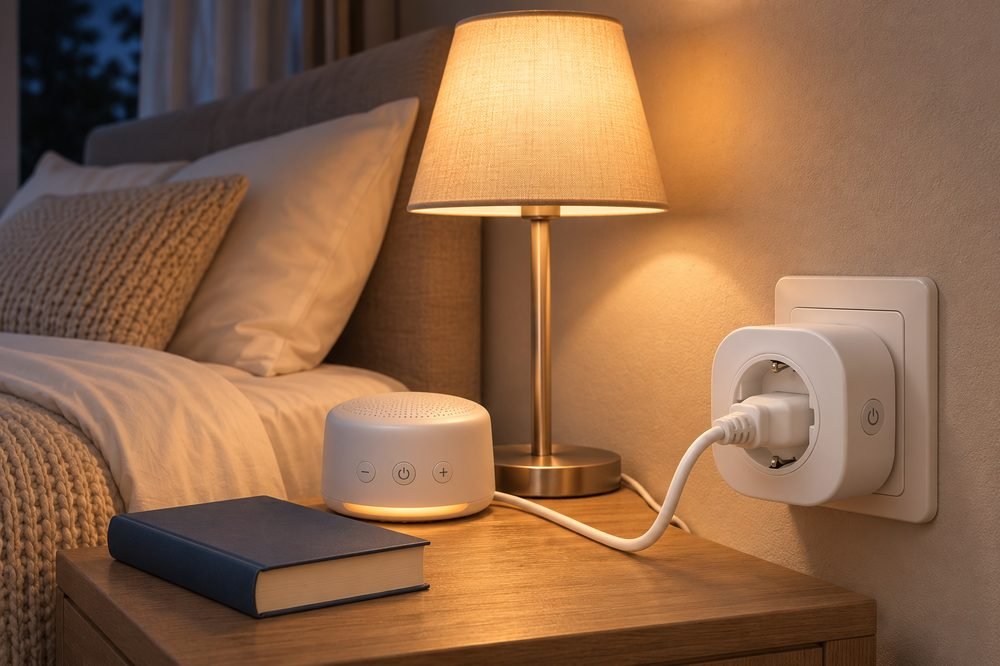
In my experience helping brand owners and wholesalers, there is no single perfect product. You must look at who buys your items. At our company, we supply both basic and smart electrical control products because different users have different needs.
Meeting Different Market Needs
If your customers are older or just need to plug in a simple lamp, traditional plugs are still very useful. They are low cost. They never need software updates. They do not rely on Wi-Fi. For basic power, they do the job well. However, if you sell to younger people or run an online store, smart plugs are a must-have. They have higher profit margins. They attract repeat buyers who want to build a smart home. I always tell my clients to build a product line that covers all bases.
Product Sourcing Strategy
| Customer Type | Best Product Choice | Key Selling Point |
|---|---|---|
| Budget Shopper | Traditional Plug | Low price, easy to use |
| Tech Lover | Smart Plug | App control, automation |
| Office Manager | Smart Plug | Energy saving, schedule |
| Construction Worker | Traditional Plug | Strong build, basic power |
As a factory and sourcing agent, we help you plan this. We offer flexible MOQ to help you test the market. You can start with a small order of custom-branded smart plugs while keeping a steady stock of traditional voltage protectors and sockets. From concept drafts to final confirmed samples, we make sure your product matches your market.
Conclusion
Smart plugs add remote control and automation, while traditional plugs offer simple power. Offering both types helps your business meet all customer needs and grow sales effectively.
<!--[googlesitekit-end-of-content]-->