
How to Choose the Right Size and Configuration?
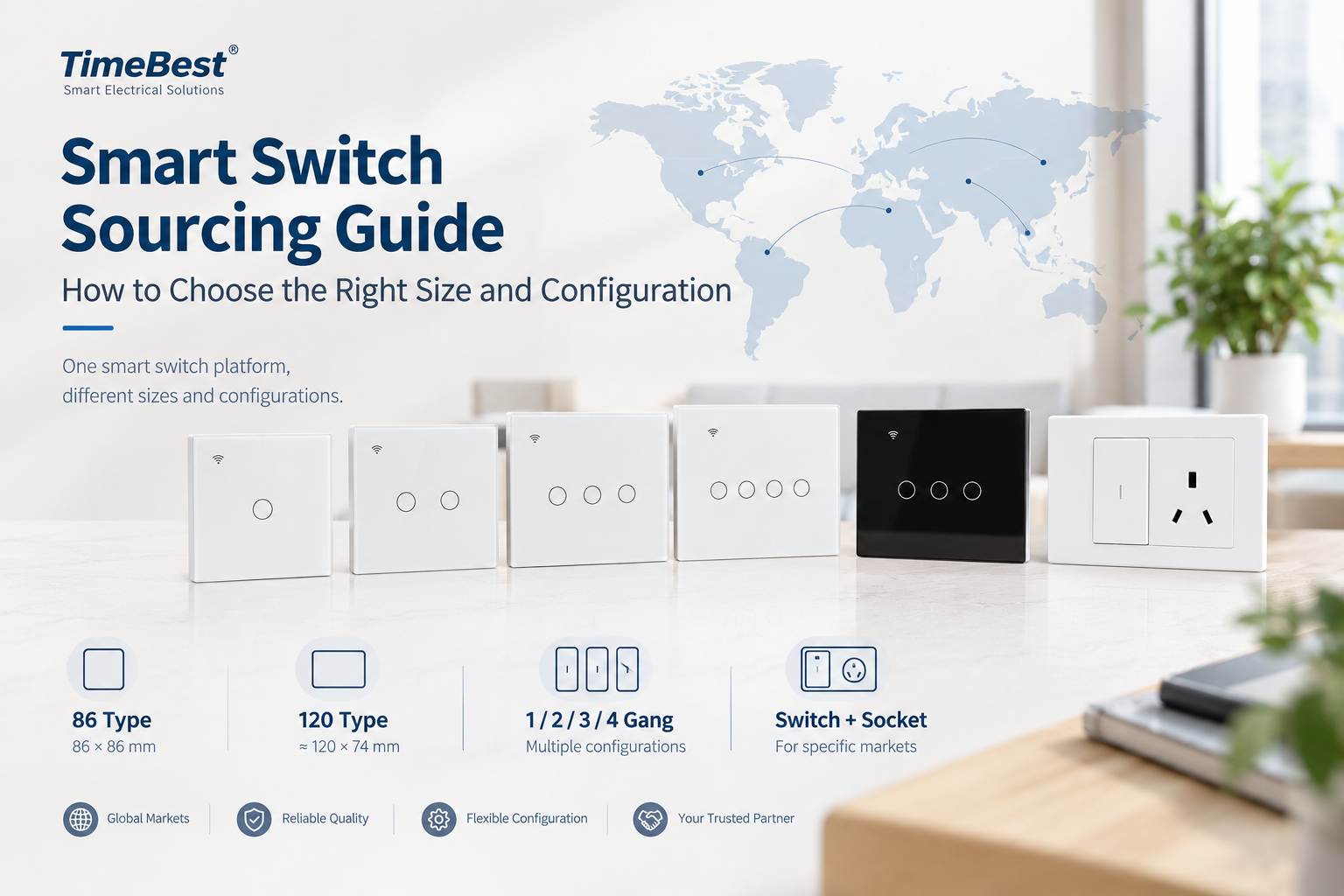
Are you buying smart switches but ignoring wall box sizes? Wrong sizes mean products will not install. I will show you how to pick the right size and configuration easily.
To choose the right size and configuration for a smart switch, you must first confirm the target market and local wall box standards. Choose between the 86-type for Europe and the Middle East, or the 120-type for the Americas. Then, select the correct gang number based on user needs.
Many buyers focus only on Wi-Fi or voice control features when they start a project. But the most basic physical details will make or break your sales. Let us look at the exact steps you need to take to avoid costly mistakes.
Start With the Target Market: 86-Type or 120-Type?
Do you want to sell smart switches in multiple countries? Buying one size for all markets will fail. You must match the switch to the local standard first.
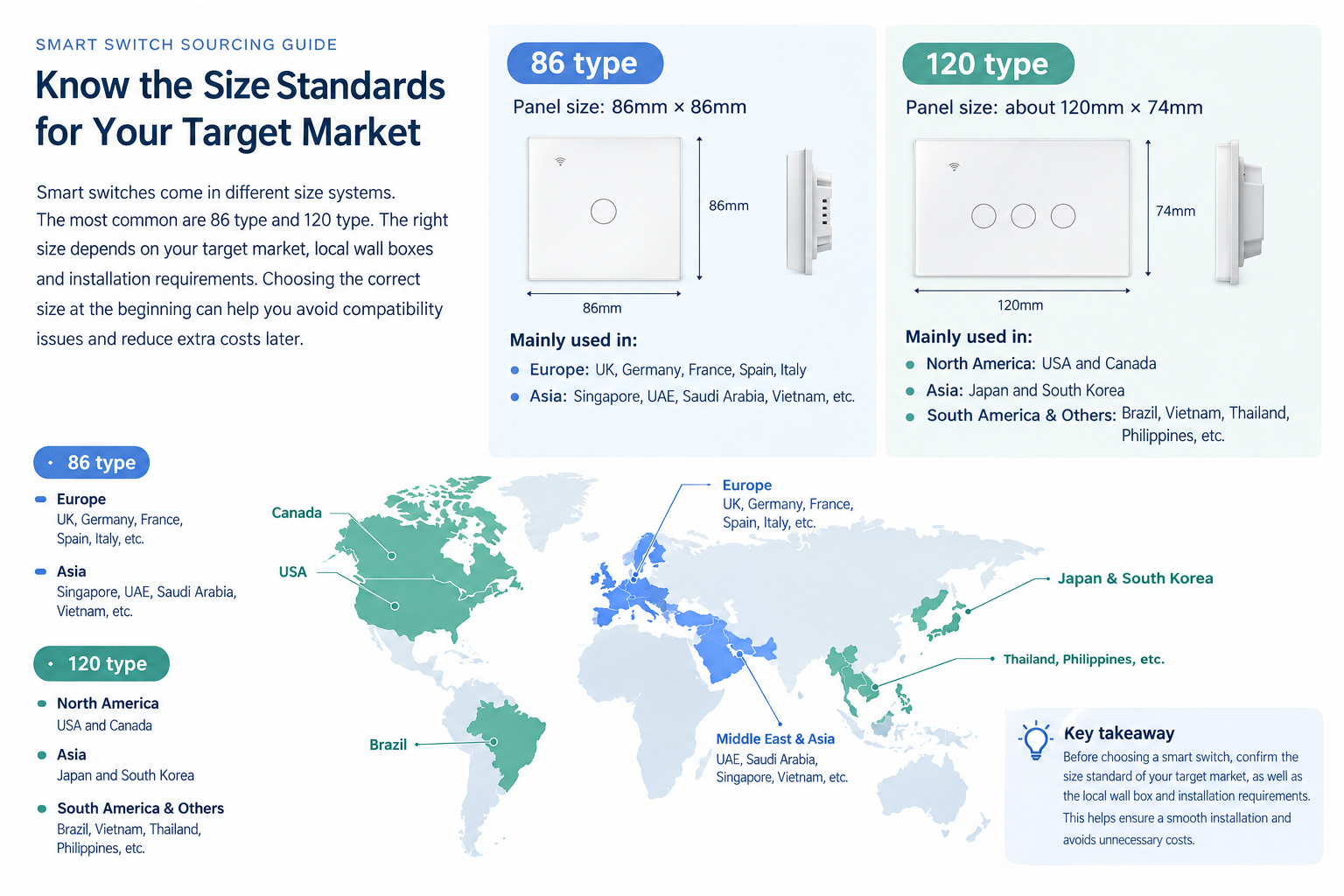
You must choose between the 86-type and 120-type based on your target country. The 86-type fits European and Middle Eastern markets. The 120-type fits North American and some Asian markets. Knowing your market prevents you from buying unusable products.
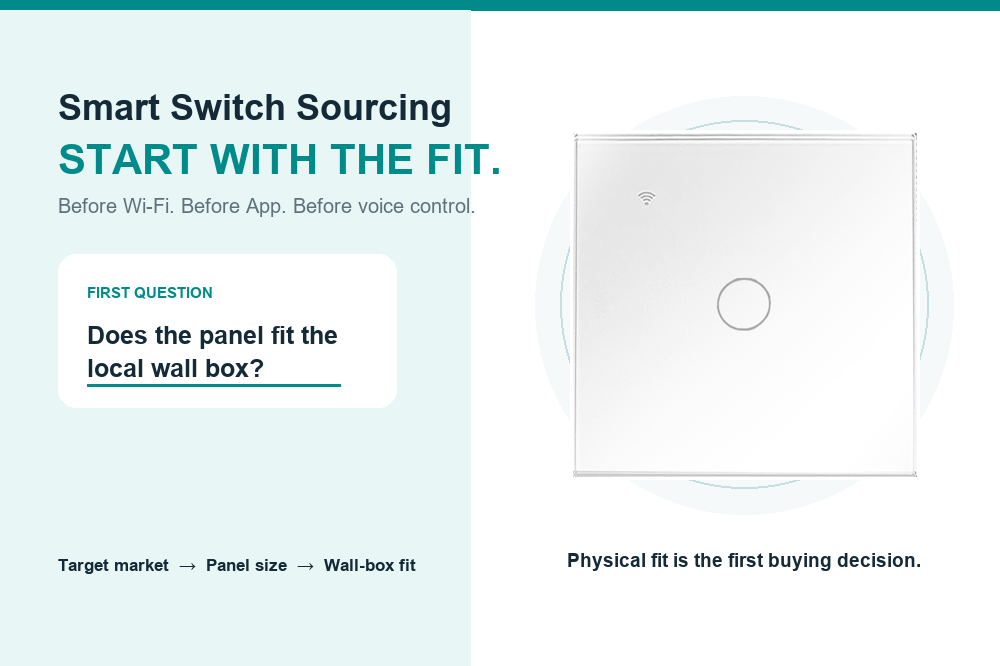
When I talk to new brand owners, they often ask for the best smart switch features. But I always stop them and ask about their target market. At Timebest, we know that the physical wall box is the first limit you face. If the switch does not fit the hole in the wall, the smart features do not matter at all.
Why the Market Standard Matters
Every country has building codes. These codes decide the size of the electrical boxes hidden behind the wall. If you import a product that does not match these boxes, your customers cannot install it. This leads to bad reviews and returned goods.
To make this clear, I made a simple table to show where these two main types are used:
| Switch Type | Common Dimensions | Main Target Markets |
|---|---|---|
| 86-Type | 86 × 86 mm | UK, Germany, France, Spain, Italy, UAE, Saudi Arabia, Singapore |
| 120-Type | 120 × 74 mm | USA, Canada, Brazil, Japan, Korea, Thailand, Philippines |
As an OEM/ODM supplier, we help buyers look at their target countries first. If you want to sell in Germany and Brazil, you cannot use the same product mold. You must plan for two different product lines from the start.
86-Type and 120-Type: What Is the Difference?
Confused about the exact differences between switch types? Choosing the wrong shape ruins the user experience. Let me explain the exact physical differences between them.
The main difference between 86-type and 120-type switches is their size and shape. The 86-type is square, measuring 86 by 86 millimeters. The 120-type is rectangular, usually measuring 120 by 74 millimeters. They also use different screw hole distances for wall mounting.
The difference goes beyond just looking square or rectangular. It changes how the product is designed inside and out.
Physical Dimensions and Design
The 86-type gives a wide, square space. This allows for larger buttons and a balanced look on the wall. It is very popular in modern European homes. The 120-type is taller and thinner. It fits well in narrow spaces, like between a door frame and a wall corner.
Installation Differences
The screw holes are also completely different. Installers use screws to attach the switch to the wall box. If the holes on the switch do not match the holes on the box, the product is useless.
| Feature | 86-Type Switch | 120-Type Switch |
|---|---|---|
| Shape | Square | Rectangular |
| Size | 86 × 86 mm | 120 × 74 mm |
| Screw Distance | Usually 60 mm | Usually 83.5 mm |
| Box Type | Square wall box | Rectangular wall box |
At our factory, we test both types every day. We ensure the plastic housing matches the exact local standards. When you buy wholesale, you must confirm these details with your supplier. Do not guess the size. A mistake here will cost you your whole investment.
How to Choose Between 1, 2, 3 and 4 Gang?
Are you unsure how many buttons your switches need? Offering the wrong gang options limits your sales. Here is how to pick the right gang numbers.
To choose the right gang number, you must count how many lights the user needs to control from one spot. A 1-gang switch controls one light. A 4-gang switch controls four lights. You should offer a full range to meet different room sizes and lighting plans.
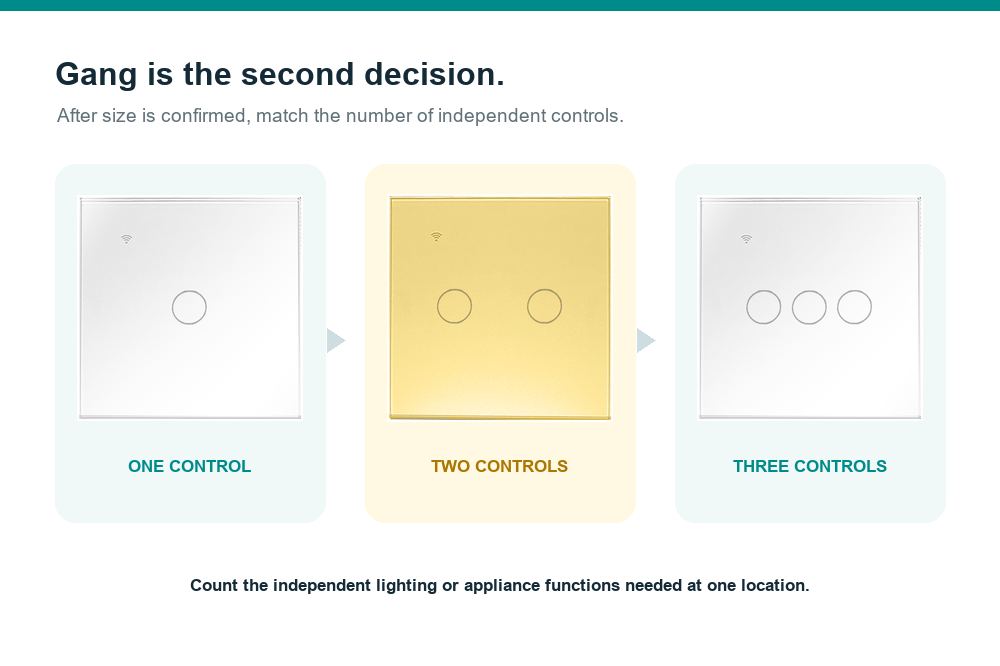
Once you get the right size, you must think about the buttons. In the electrical industry, we call these "gangs". A gang is simply a control unit or a button on the switch panel.
Understanding User Needs
You cannot just sell 1-gang switches. A small bathroom might only need a 1-gang switch for the main light. But a large living room might need a 4-gang switch to control the ceiling light, the wall lights, the fan, and the dining area light.
Planning Your Product Line
If you are a brand owner, you must offer a complete family of products. Customers want all the switches in their house to look the same. If they need a 3-gang switch but you only sell 1 and 2-gang, they will buy from another brand.
| Gang Type | Number of Buttons | Typical Use Case |
|---|---|---|
| 1-Gang | 1 | Small bedroom, closet, hallway |
| 2-Gang | 2 | Bathroom (light and exhaust fan) |
| 3-Gang | 3 | Kitchen, medium living room |
| 4-Gang | 4 | Large living room, open office space |
We always tell our B2B buyers to order a mix. Usually, 1-gang and 2-gang are the most popular. But having 3-gang and 4-gang in your catalog makes your brand look professional and reliable.
Different Gang Configurations for Different Applications?
Do your customers complain that switches do not fit their rooms? Using the wrong gang setup causes bad lighting control. You need to match the switch to the application.
Different rooms need different gang configurations. Bedrooms usually need 1-gang or 2-gang switches for simple control. Large kitchens and living rooms need 3-gang or 4-gang switches to manage multiple light zones. Matching the gang to the room makes the home much easier to use.
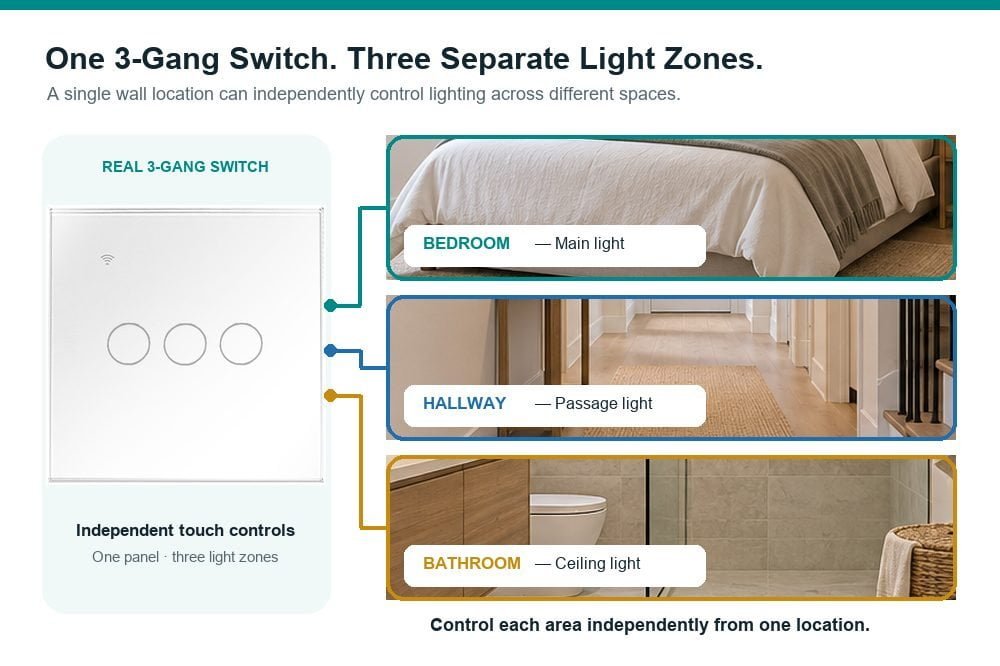
You must understand how your end-users live and work. This helps you order the right products from your manufacturer. Different rooms have very different lighting needs.
Residential Applications
In a normal home, the lighting plan changes from room to room. A hallway might only have one light. But modern kitchens often have ceiling lights, island lights, and under-cabinet lights. This means the kitchen needs a 3-gang switch. If you sell to smart home installers, they will ask for these specific setups.
Commercial Applications
If you sell to electrical contractors for office buildings, the rules change. Offices have many zones. They often use 3-gang and 4-gang switches at the main doors.
| Application Area | Lighting Complexity | Recommended Gang Setup |
|---|---|---|
| Hallways & Stairs | Low | 1-Gang |
| Bathrooms | Medium | 2-Gang (Light + Fan) |
| Kitchens | High | 3-Gang |
| Open Offices | Very High | 4-Gang |
As a supplier, I see many buyers make the mistake of ignoring commercial needs. If you want to grow your brand, you should supply products that work for both homes and offices. We can customize the panels so that your 4-gang switches look just as beautiful as your 1-gang switches.
When a Smart Switch Needs an Integrated Socket?
Are your customers running out of wall space for plugs? Separate switches and sockets take up too much room. An integrated switch and socket is the perfect fix.
A smart switch needs an integrated socket when wall space is limited. This combo design is perfect for kitchens, bathrooms, and small bedrooms. It allows the user to control a light and plug in an appliance at the same time, using only one wall box.
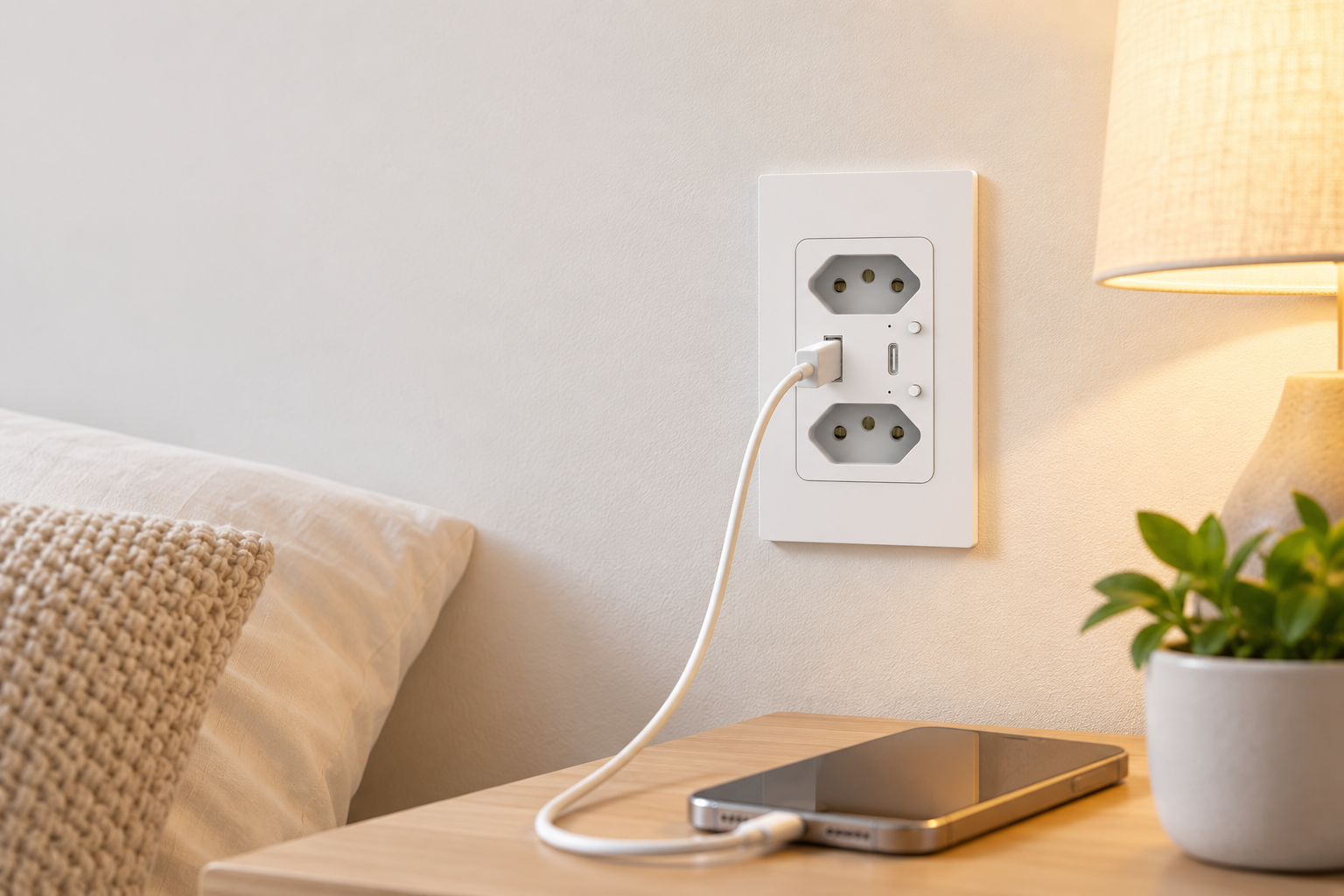
Sometimes, choosing between gangs is not enough. You also need to think about power outlets. An integrated switch and socket puts a light switch and a plug in the same panel.
Solving the Space Problem
In many older homes, there are not enough wall boxes. Adding a new hole in the wall is dirty and expensive. An integrated unit solves this problem fast. The user can replace an old switch with a new smart switch that also gives them a place to plug in a phone charger or a hair dryer.
Best Places for Combo Units
These products sell very well for specific rooms. We produce many of these for our OEM clients because they are great problem solvers.
| Room | Why They Need an Integrated Socket | Common Plug-in Item |
|---|---|---|
| Bathroom | Limited safe wall space | Hair dryer, electric shaver |
| Kitchen | Many small appliances | Blender, coffee maker |
| Bedside | Need light control and charging | Phone charger, reading lamp |
If you want to offer a one-stop supply chain solution, you must include these combo units. They show your buyers that you understand real-world installation problems. We test our integrated sockets carefully to make sure the smart switch inside does not get too hot from the power outlet.
What Should Buyers Confirm Before Choosing a Smart Switch?
Are you ready to place a large order for smart switches? Buying without checking the details leads to dead stock. You must confirm these key points first.
Before choosing a smart switch, buyers must confirm the target market size standards, like 86-type or 120-type. Next, check the local wall box dimensions and the required gang numbers. Finally, ensure the product has the right safety certifications for that specific country.
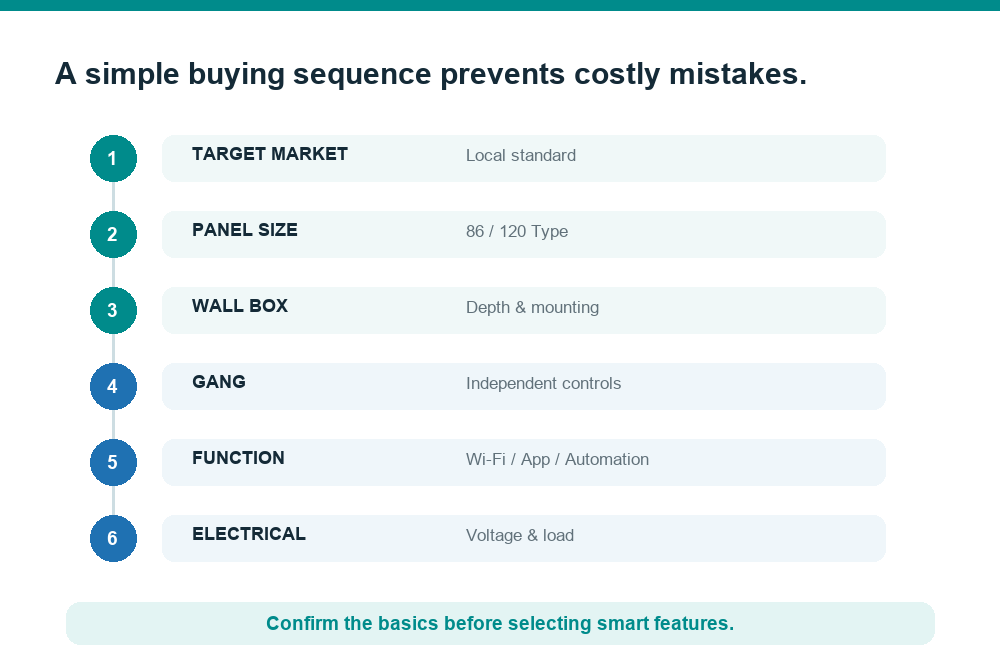
This is the most important part of my job. I help buyers avoid mistakes before they spend their money. In the B2B wholesale business, a small error in the order details can ruin a whole project.
The Checklist for Success
You should never start by picking the App or the Wi-Fi chip. Those are easy to change. The physical and legal details are the hard parts. You must build a checklist for your purchasing team.
Working With Your Factory
When you send us an inquiry, we will ask you these questions. We want to be your long-term partner, not just a one-time seller. We need to know your market so we can suggest the best OEM/ODM solutions.
| Confirmation Step | What to Check | Why It Matters |
|---|---|---|
| 1. Market Standard | 86-type or 120-type? | Ensures the panel fits the wall. |
| 2. Wall Box Size | Depth and screw distance | Ensures the back of the switch fits inside. |
| 3. Gang Needs | 1, 2, 3, or 4 buttons | Matches the user lighting plan. |
| 4. Certifications | CE, RoHS, cETLus, etc. | Ensures legal sales and safety. |
If you confirm these four things, your project will run smoothly. From concept to shelf, we usually take about 30 days to prepare customized samples. But that fast speed is only possible if we know the exact size and configuration you need from day one.
Conclusion
To succeed in selling smart switches, always start with the physical size and local standards. Matching the right type and gang configuration ensures easy installation and happy customers every time.
<!--[googlesitekit-end-of-content]-->